
Home » Dog Behavior
maxxipaws offers various tips and advice about how to address some of the most common dog behaviour problems.
When we think about getting a dog, most of us have a picture of a balanced and well-behaved dog in our mind. Dog that obeys our commands and we can take with us almost everywhere.
Fortunately, this is achievable dream. Most dogs are calm and balanced enough to fit nicely into our life. But some dogs have issues and it is important to address those issues a.s.a.p. because they won’t go away on its own. They are much more likely to get worse with time.
Many dog behaviour problems are easily rectified by following some basic dog training tips. Others may require specialist help, and lots and lots of patience from the dog owner.
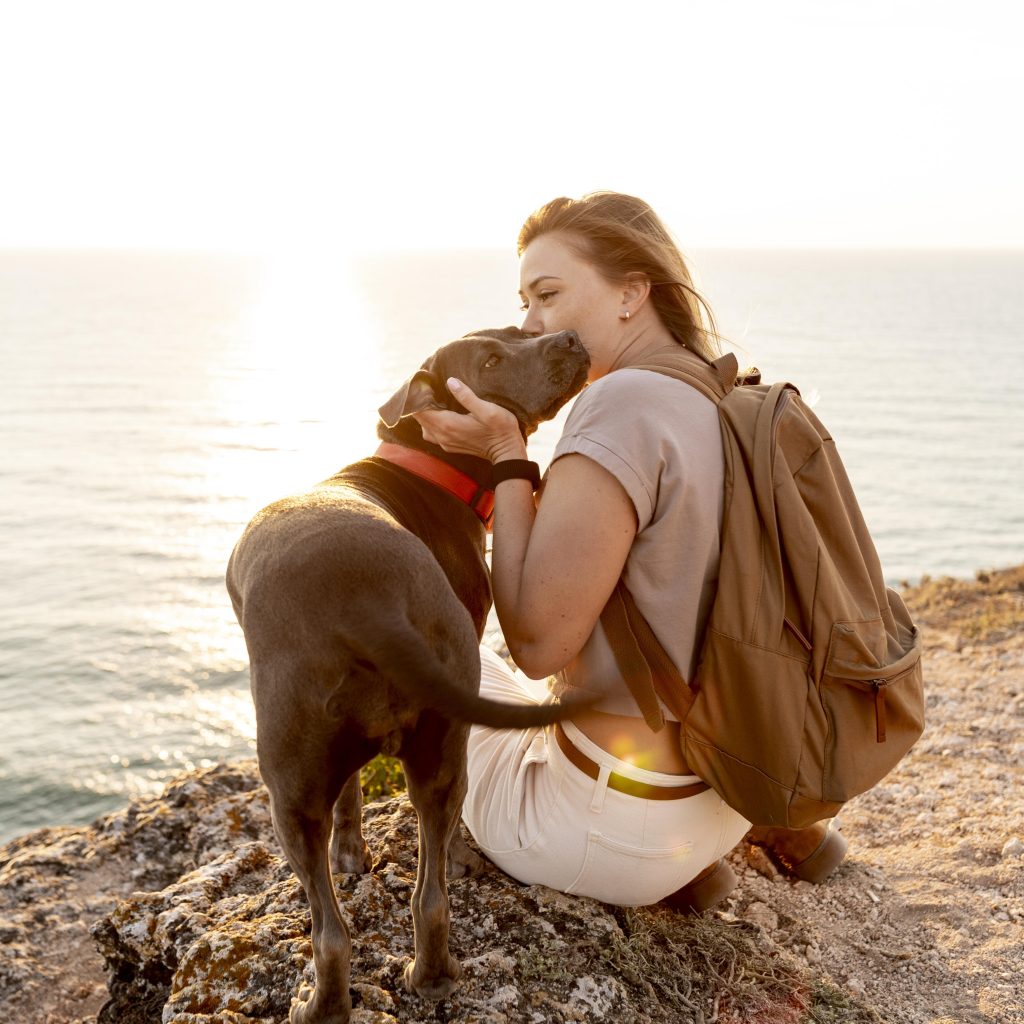
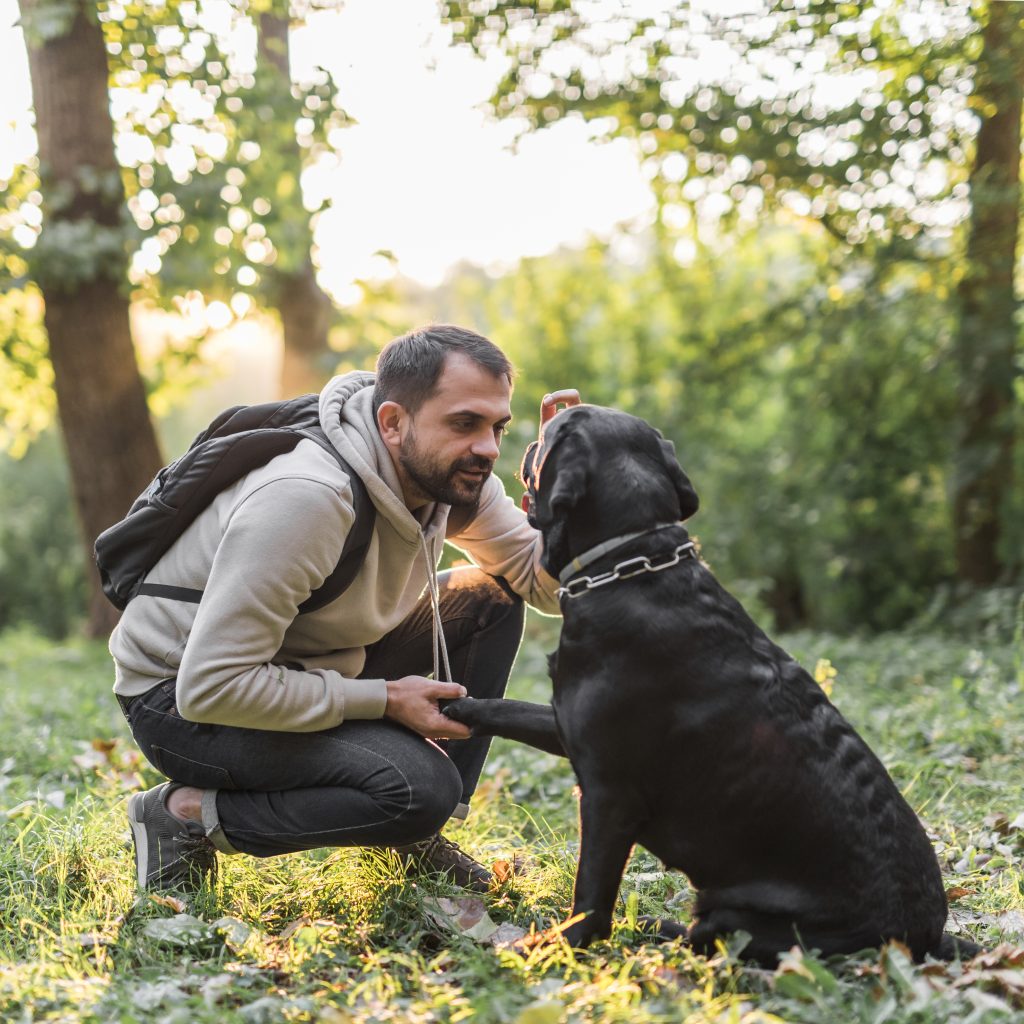
There is no one way to raise a balanced dog, but there are some basic principles that will increase your chances of getting it right. The more you know in advance about dogs’ behaviour and dog training the better.
Some things that affect dog’s behaviour you have no control over. Some dog breeds are by nature calmer than others are. The parents’ temperament also plays a role, so do the breeders as the first weeks in your puppy’s life are of great importance. If you adopt older dog, then all his previous experiences will affect his behaviour.
Still, you play the most important role in your dog’s life. How you treat your dog will affect how your dog behaves. You can teach old dog new tricks… it just takes longer.
Many dog behaviour problems are indeed the owners’ problem. The problem may be lack of socialization when the dog was a puppy. It may because the owner is not consistent with his commands, or the dog has not had basic dog training.
What’s more, our behaviour can reflect on our dogs. If we are nervous or scared of something, then our dog may become scared of it as well.
Most dog owners mean well. Most of the mistakes we make are because we don’t know better. Sometimes we misunderstand each other. Sometimes we humans think our dogs think as we do. They don’t.
There are few, if any, dog owners that would not do something differently if starting again. However, that is not what matters most now. What matters most is to address any behavioural problems as soon as they arise. To seek advice, but more importantly, to take the time to work with the dog to resolve the problem.
The best way to deal with any dog behaviour problem is to address the cause of the problem and dog behaviour correction techniques helps you to do exactly that.
Systematic desensitization and counter-conditioning are the most common treatments for canine anxiety, phobias, fear, and aggression, i.e. any behavioural problem that involves arousal or emotional reaction.
Using dog behaviour training techniques requires full commitment from the dog owner. They work by repetition so it takes time and patience… lot of patience. But they address the root of the problem so it is usually time well spent.
Sometimes simple changes in the dogs’ environment can make all the difference and help anxious dogs to cope better with their fears. This can be creating a safe haven for your dog to retire to when he feels stressed, e.g. during thunderstorms, or when left home alone. Or by giving him extra exercise before facing situations he finds stressful, e.g. before visiting the Vet, or going on a long car journey.
We look at what changes may be helpful in the following circumstances (just click the ones relevant for your dog):
Natural calming aid supplements, like maxxicalm, and pheromone diffusers have become increasingly popular, as they do not have the same side effects as anxiety medication for dogs.
Like dog anxiety medication, calming aid for dogs does not cure any dog behaviour problems. They can however help your dog to cope better with situations he finds stressful. They can also help you to get quicker results with your dog behaviour correction training.
For maximum results, you should give your dog his calming aid for few weeks prior to the “big event”, whatever it is firework display, flying, moving houses, or attending a dog behaviour modification training course.

Commonly used drugs for treating anxiety and fear in dogs are: Alprazolam, Amitriptyline, Buspirone, Diazepam (Valium) and Fluoxetine (Prozac). These are all drugs commonly used to treat depression, anxiety, and panic disorders. Some medication may take few weeks to work (Amitriptyline, Fluoxetine, Buspirone), while others work within 30 minutes (Alprazolam).
Most anxiety drugs for dogs have unpleasant side effects so most dog owners consider them as the last resort.
Potential side effects from dog anxiety medication include sedation, lethargy, change in appetite, weight changes, runny nose, dry mouth, drowsiness, weakness, sore throat, nausea, and diarrhea. Behavioural side effects can include aggression, anxiety, panic attacks, trouble sleeping, paradoxic excitement, irritability, agitation, hostility, restlessness, hyperactivity, or increased depression… ironically some of the problems you are trying to overcome.

maxxicalm comes with an eBook that contains practical dog behaviour advice. Following them will increase your chances of getting the situation permanently under control.
The eBook recommends changes that can be helpful to deal with various situations that your dog may find stressful, like separation anxiety, travel anxiety, aggression, hyper behaviour, fear of fireworks and thunderstorms, etc.
We also look at the role of the owner, because let’s face it, we are the most important person in our dog’s life and our behaviour affects our dogs.

“I actually bought this for my old girl to help her when she gets stressed, like when we take her to the Vet which we seem to be doing a lot these days! I was also thinking ahead of Bonfire Night but both my dogs need support during the horrible firework season. Though so far I have mainly been using it for my younger dog. She is a rescue dog and even though she has settled in well there are still some issues that she needs help with. And I find that maxxicalm helps her to concentrate better during her training. So it looks like I will need to buy another bottle for Bonfire Night!”
Nadia Lyden
