
Understanding periodontal gum disease in dogs, recognizing its signs, and knowing the appropriate preventative measures and treatments are crucial for maintaining the oral and overall health of our canine friends.
Periodontal gum disease is a progressive condition that begins when bacteria in the mouth form plaque on the teeth.
Over time, the plaque can mineralize into tartar, which adheres strongly to the enamel. The bacteria in plaque and tartar can cause inflammation of the gums, known as gingivitis, characterized by redness and swelling.
If not addressed, this can advance to periodontitis, where the infection spreads to the ligaments and bone that support the teeth, potentially leading to tooth mobility or loss, and can even result in systemic infection.
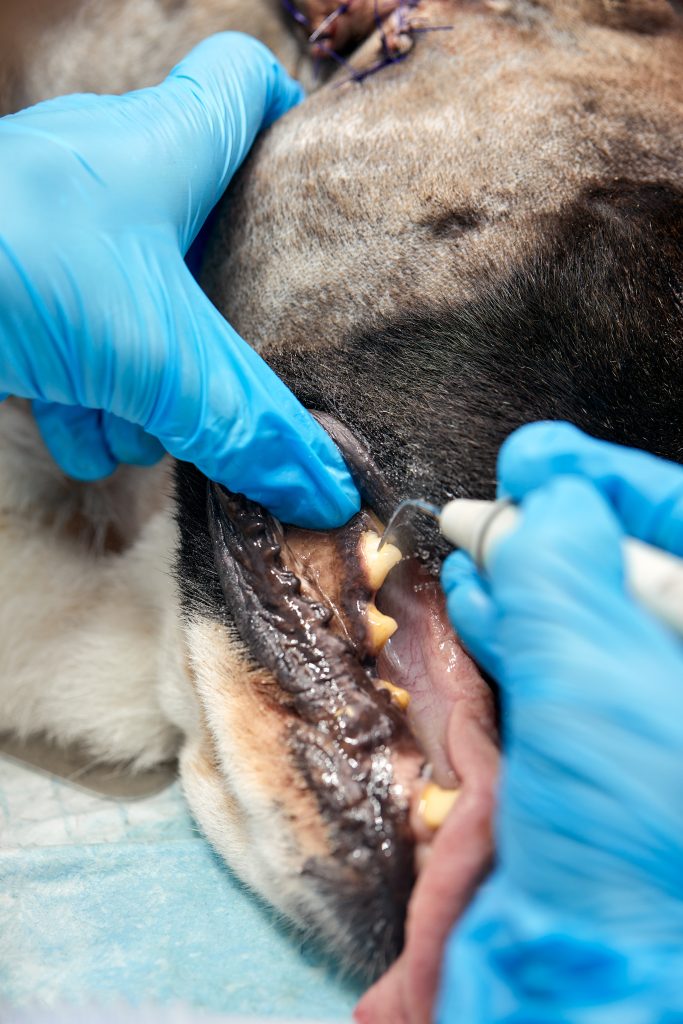
The stages of periodontal disease in dogs range from mild gingivitis, where the gums may be slightly red and swollen, to severe periodontitis, which can include gum recession, significant inflammation, bleeding, pus, bad breath, and the loss of bone and teeth.
This progression can be slow and without obvious signs of pain, as dogs are adept at hiding discomfort, making it even more important for regular dental check-ups.
While plaque is the primary culprit in canine periodontal disease, various factors can exacerbate the condition:
Breed Predisposition: Some breeds, especially small breeds with crowded teeth like Poodles and Dachshunds, are genetically predisposed to dental issues.
Chewing Behaviour: Dogs that don’t chew much or who prefer softer foods may not naturally clean their teeth as effectively as those who regularly chew on hard toys or dental treats.
Lifestyle and Diet: Dogs with a diet lacking in the necessary nutrients to support dental health, or those that consume sugary or sticky foods, are at higher risk.
Health Conditions: Systemic health issues such as diabetes can compromise dog’s immune system, making them more susceptible to periodontal disease.
Canine periodontal disease treatment and management involves a multi-faceted approach:
Professional Dental Treatment
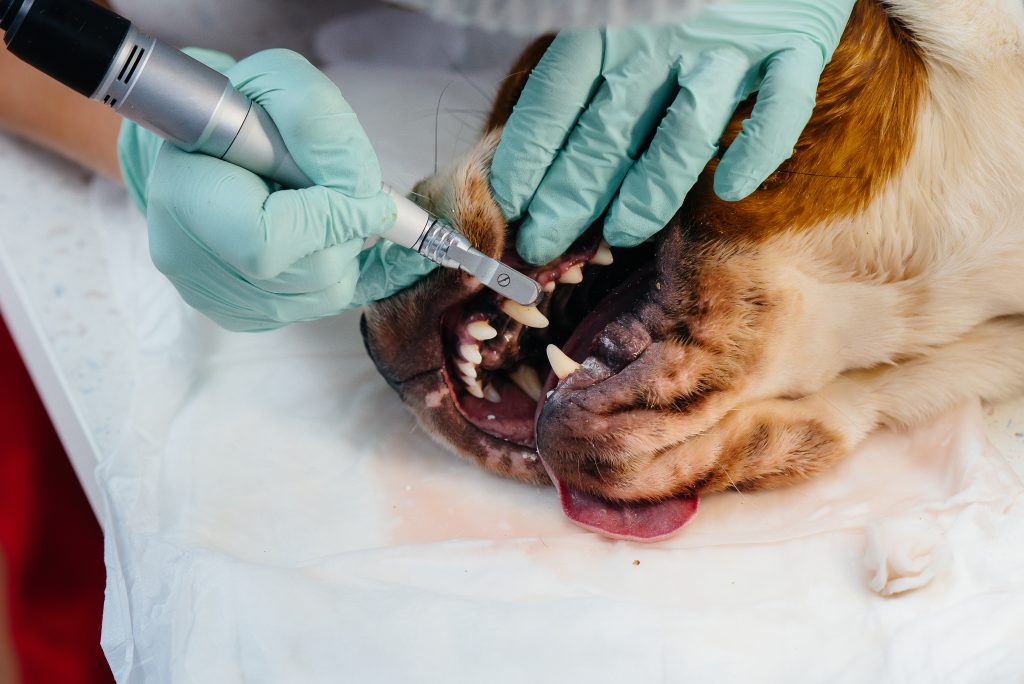
Veterinarians perform thorough dental cleanings, including scaling and root planing (deep cleaning process), to remove tartar and plaque from below the gum line. In severe cases, periodontal surgery or extractions may be necessary.
Home Dental Care
Owners are encouraged to brush their dogs’ teeth daily with dog-safe toothpaste and provide dental treats and toys that help reduce plaque mechanically.
Dental Supplements
Dental supplements for dogs, like maxxidental, can serve as an integral component of a comprehensive dental care regimen. They work to augment the efforts of brushing and professional cleanings.

Regular Check-ups
Routine veterinary visits can detect the early signs of periodontal disease, allowing for prompt intervention.
The consequences of periodontal disease go beyond the mouth. Bacteria from dental infections can enter the bloodstream and affect other organs, potentially leading to heart, liver, or kidney disease.
Therefore, a proactive approach to dental care, including the use of appropriate dog dental supplements, is not only an investment in your dog’s oral health but in their overall wellbeing.
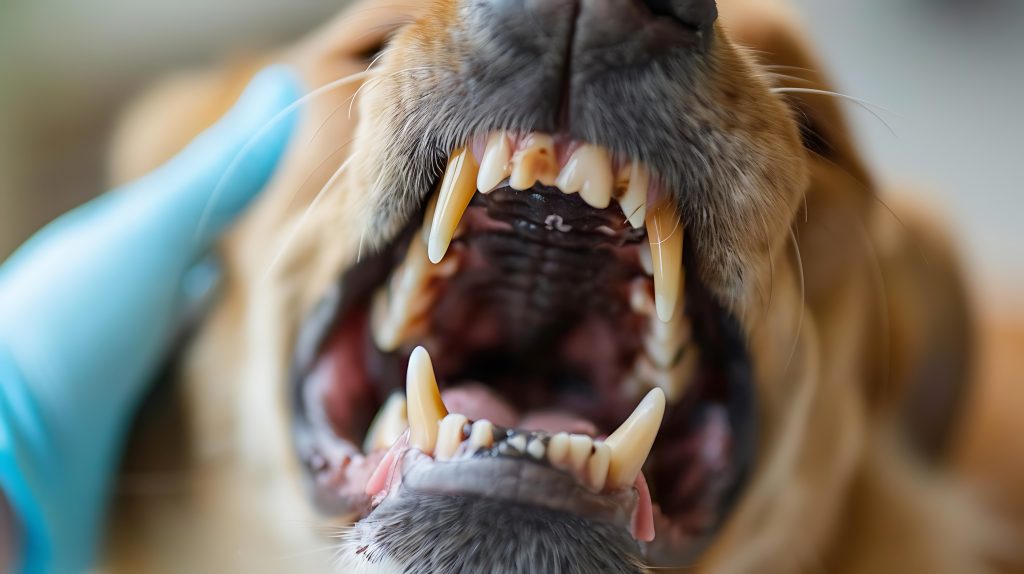
In conclusion, periodontal gum disease in dogs is a pervasive issue that requires a proactive and comprehensive approach to prevent and manage. Regular professional dental care, diligent at-home maintenance, and the strategic use of dental supplements are key to combating this disease.
Owners must be attentive to their dog’s dental health and work closely with their veterinarians to tailor a dental care plan that suits their dog’s specific needs. By doing so, the painful and debilitating effects of periodontal disease can be greatly mitigated, ensuring our canine companions lead both happy and healthy lives.



