Home » Gingivitis in Dogs
Gingivitis in dogs is inflammation of the gums
This inflammation of the gums, if ignored, can progress to more severe conditions, affecting not just the mouth but potentially leading to systemic health issues. Understanding gingivitis, its causes, symptoms, treatment options, and prevention strategies is essential for dog owners to ensure their pets lead healthy, comfortable lives.
Gingivitis develops due to plaque accumulation on the teeth and gums. Plaque, a biofilm of bacteria mixed with saliva and food particles, adheres to the teeth surfaces.
Without regular removal, plaque calcifies into tartar, exacerbating gum irritation and leading to the redness, swelling, and bleeding characteristic of gingivitis. This stage is reversible with proper dental care, but if neglected, it can advance to canine periodontitis, involving irreversible damage to the teeth, gums, and bone structure.
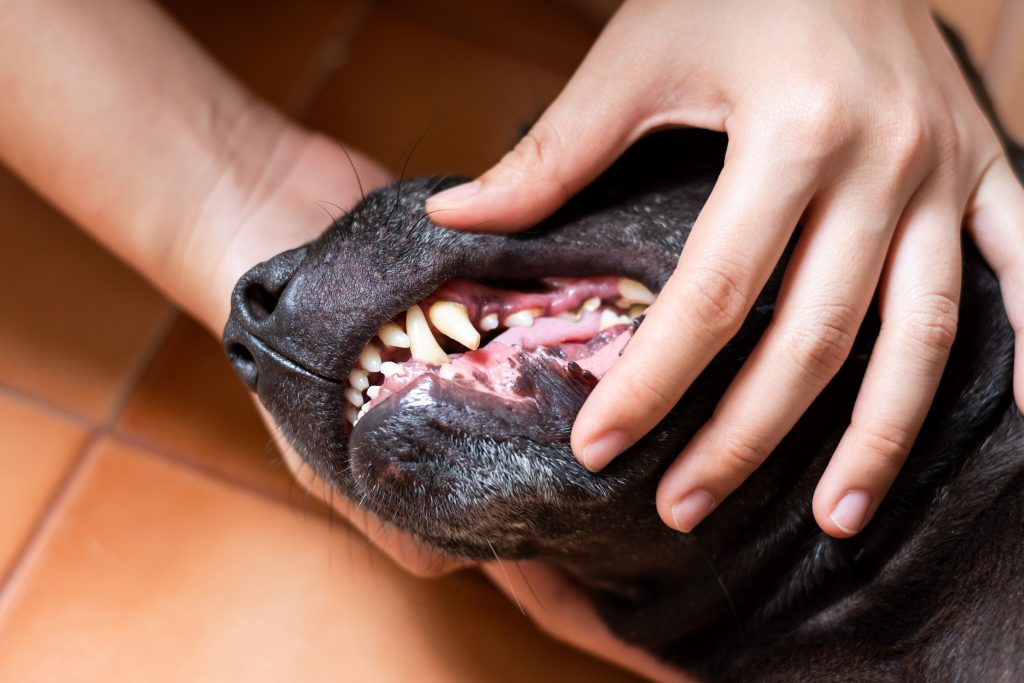

Several factors contribute to the development of gingivitis in dogs:
Diets high in soft, sticky foods can promote plaque build-up, underscoring the importance of a balanced diet and the inclusion of chews / toys that help clean the teeth.
Older dogs and certain breeds, particularly small breeds, and those with specific jaw structures, face higher risks due to their dental anatomy and potential for crowded teeth, which complicates oral hygiene.
Some dogs are genetically more susceptible to dental problems, highlighting the need for tailored dental care routines.
Conditions such as diabetes compromise the immune system, making it harder for the body to fight off the bacteria in plaque, thus increasing the risk of gingivitis.
Identifying gingivitis early is crucial for effective treatment and prevention of progression. Symptoms include:
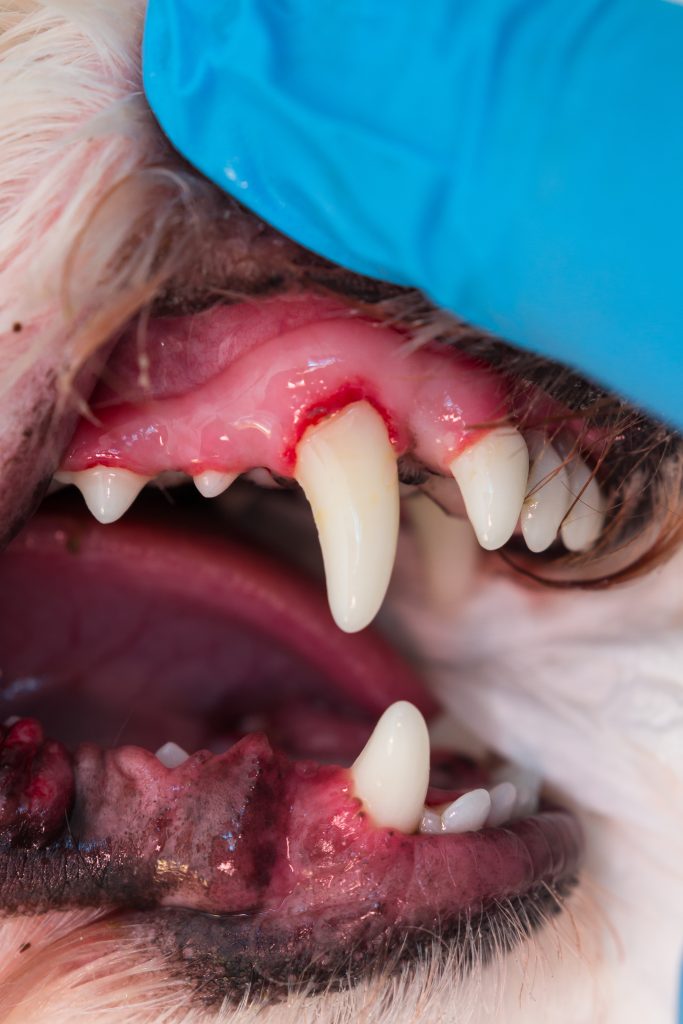
Gum Changes: Look for changes in gum colour (redness), swelling, and any bleeding, which are direct signs of inflammation.
Bad Breath: A noticeable increase in bad breath can indicate bacterial overgrowth associated with plaque build-up.
Behavioural Changes: Difficulty eating, decreased appetite, and unusual pawing at the mouth can indicate discomfort or pain in the gums.
Visible Plaque and Tartar: These substances can often be seen as a yellow or brown build-up on the teeth near the gum line.

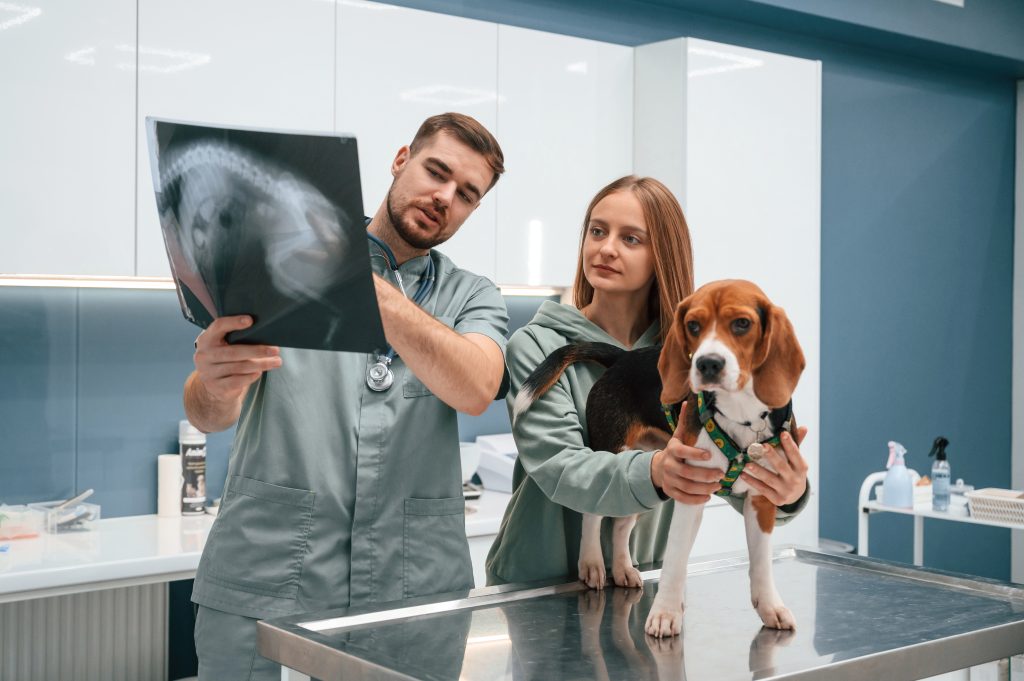
Veterinary evaluation is essential for diagnosing gingivitis in dogs. A thorough oral examination, possibly under anaesthesia for a more comprehensive assessment, along with dental X-rays, helps determine the extent of the disease. Treatment typically involves:
A deep clean under anesthesia removes plaque and tartar buildup effectively, including areas beneath the gum line.
To combat any infection and manage pain, veterinarians may prescribe antibiotics and anti-inflammatory medications.
After professional treatment, ongoing home care is critical to prevent recurrence. This includes regular brushing and possibly adjustments to the dog’s diet.
Prevention remains the most effective strategy against gingivitis. A multifaceted approach to dental care can keep a dog’s mouth healthy:
Regular Brushing: Daily brushing with canine-specific toothpaste and brushes removes plaque before it can harden into tartar.
Dental Health Products: Specially formulated foods, supplements, treats, and toys designed to reduce plaque and tartar build-up can supplement brushing.
Routine Veterinary Check-ups: Professional evaluations can catch early signs of gingivitis, ensuring timely intervention.
Educational Awareness: Owners should be informed about the importance of dental health and how to properly care for their dog’s teeth.
Untreated gingivitis and periodontal disease in dogs can have far-reaching effects beyond oral discomfort. The bacteria from the mouth can enter the bloodstream, potentially affecting major organs and leading to serious health issues such as heart, liver, and kidney disease. Moreover, the pain associated with dental diseases can affect a dog’s quality of life, influencing their eating habits, behaviour, and overall well-being.
Given the variability in risk factors among different dogs, dental care routines should be tailored to each dog’s specific needs. Factors such as breed, age, and existing health conditions play a significant role in determining the most effective dental care strategies. Regular discussions with a veterinarian can help devise a personalized plan that addresses these individual requirements.

Nutrition plays a pivotal role in dental health. Beyond avoiding sticky, sugary foods, incorporating dental chews / toys and possibly veterinary-recommended dental diets can make a significant difference. These diets are designed to mechanically clean the teeth as the dog chews, reducing plaque and tartar build-up. However, they should complement regular brushing rather than replace it.
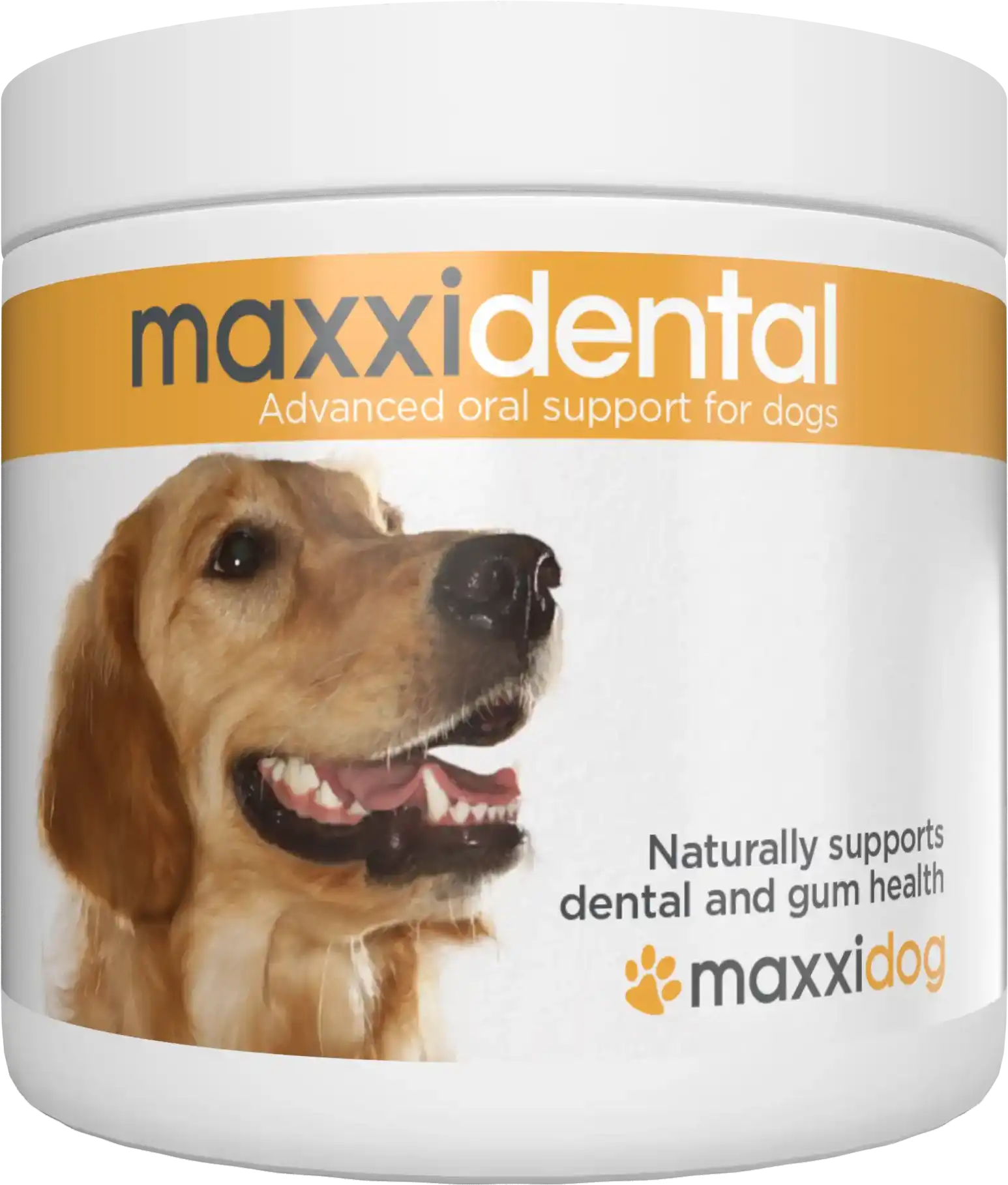
Supplements offer a complementary approach to supporting dental and gum health in dogs, targeting oral health from the inside out.
By incorporating the right dental supplement into your dog’s dental care routine, alongside regular brushing, professional dental check-ups, and a healthy diet, you can help maintain your pet’s oral hygiene and contribute to their overall health and well-being.
Remember, the key to effective dental care is a holistic approach that addresses both the external and internal factors influencing your dog’s oral health.
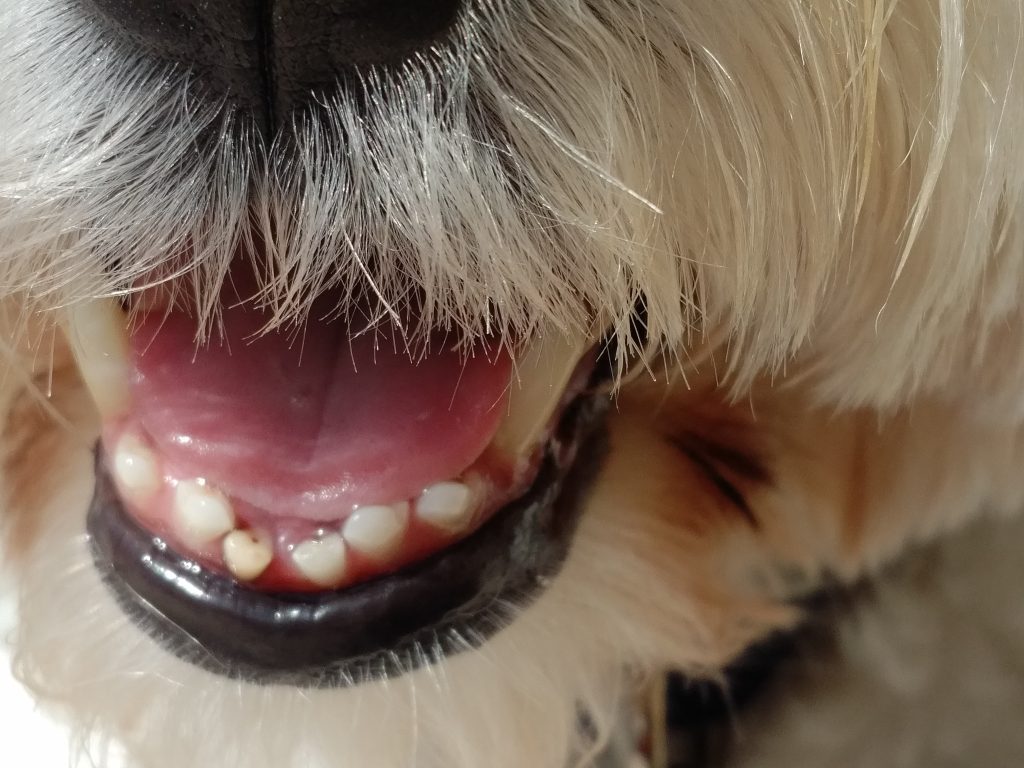
Gingivitis in dogs is more than just a minor nuisance; it’s a sign of potential health risks that require immediate attention. Through understanding its causes, recognizing its symptoms early, and implementing a rigorous prevention strategy, dog owners can play a crucial role in safeguarding their pets’ dental and overall health.
Regular veterinary care and a commitment to daily oral hygiene practices (brushing, chewing, diet, supplements) are the cornerstones of preventing gingivitis in dogs.
By prioritizing dental health, owners can significantly enhance the quality of life for their canine companions, demonstrating the deep bond and care that defines the human-animal relationship.