
Home » Gingivitis In Cats
Feline gingivitis is a common and significant health issue that, if left untreated, can lead to more serious conditions, including feline periodontitis and tooth loss. Understanding cat gingivitis, its causes, treatments, and management strategies is essential for cat owners committed to their pet’s well-being.
A Cat Owner’s Guide to Conquering Feline Gingivitis
Gingivitis is the inflammation of the gingiva, the portion of the gum around the base of the teeth. In cats, it is characterized by redness, swelling, and sometimes bleeding of the gums. This condition can be a primary issue or part of a more generalized oral inflammation known as feline stomatitis, which affects the entire mouth.
Gingivitis is considered reversible with proper dental care, but if left untreated, it can progress to periodontitis, an irreversible condition that can lead to tooth loss.
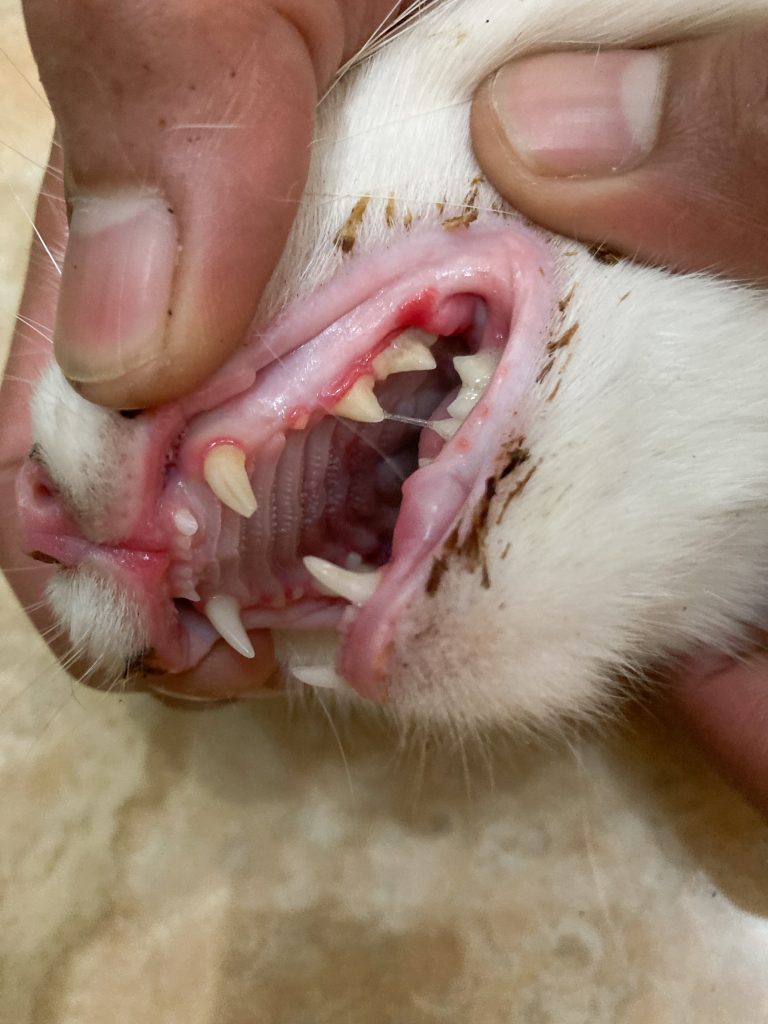
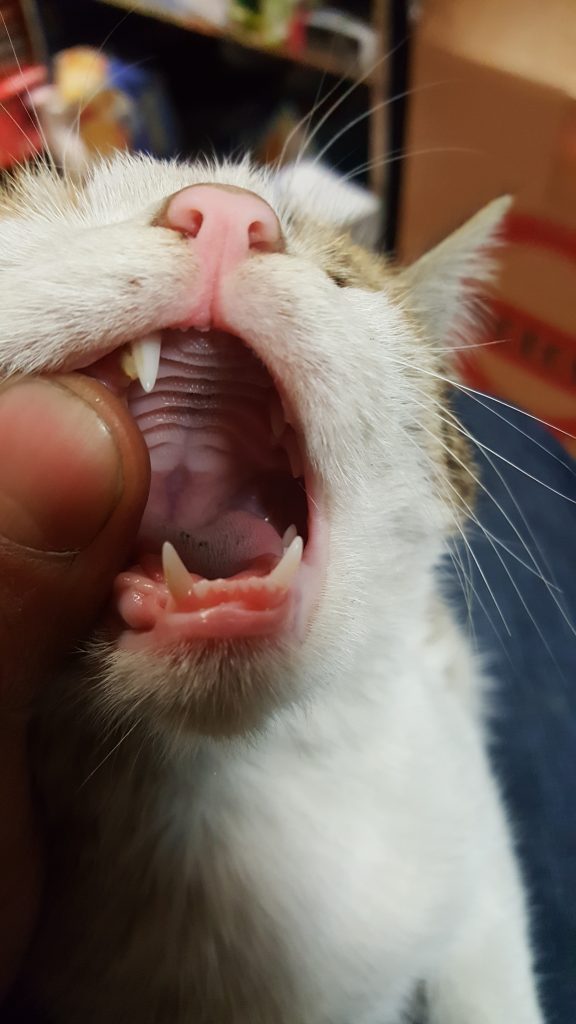
The primary cause of cat gingivitis is the accumulation of plaque, a sticky film composed mainly of bacteria. As plaque accumulates on the teeth, it hardens into tartar, which further irritates the gums. The immune system responds to this irritation with inflammation, which in the gums, is seen as gingivitis.
Several factors can contribute to the development of gingivitis in cats, including:
Age: Older cats are more prone to develop any dental diseases, including gingivitis.
Diet: Cats fed exclusively soft or wet food might be more susceptible to plaque build-up as these foods do not provide a mechanical cleaning action on the teeth.
Breed: Some breeds are predisposed to dental problems, such as the Abyssinian or the Maine Coon.
Health Conditions: Cats with systemic conditions like Feline Immunodeficiency Virus (FIV), Feline Leukaemia Virus (FeLV), diabetes, or kidney disease may have a higher risk of developing gingivitis.
Oral Hygiene: Lack of routine dental care can lead to plaque and tartar accumulation.
Genetics: Some cats may be genetically predisposed to dental diseases.
Cat owners may notice the following signs indicating gingivitis:
Treatment of gingivitis in cats typically involves professional dental cleaning, which is performed under anaesthesia. The veterinarian will remove plaque and tartar from the teeth, both above and below the gum line. In cases where the gingivitis is associated with periodontitis or tooth resorption, extractions may be necessary.
Following the professional cleaning, the veterinarian may prescribe antibiotics to control any secondary bacterial infections and anti-inflammatory medications to reduce gum inflammation.
Managing cat gingivitis involves a combination of professional veterinary care and at-home oral hygiene practices. Here are some strategies for preventing and managing feline gingivitis:
Daily Brushing: Brushing your cat’s teeth daily with cat-specific toothpaste can significantly reduce plaque build-up.
Dental Diets and Supplements: Special dental diets and supplements like maxxidental can help reduce plaque and tartar mechanically and chemically.
Regular Veterinary Check-ups: Biannual or annual dental check-ups are important for maintaining oral health and catching gingivitis early.
Dental Toys: Toys designed to clean teeth can provide some plaque control, although they should not replace brushing or professional care.

With consistent care, the prognosis for cats with gingivitis is generally good. Most cats respond well to treatment and management, but they will require lifelong dental care to prevent the recurrence of gingivitis.
CONCLUSION
In conclusion, gingivitis in cats is a treatable condition that requires attention and commitment from cat owners.
By understanding what causes gingivitis, recognizing its symptoms, and pursuing proper treatment and management, owners can help their cats maintain healthy mouths. Not only does this improve the quality of life for their feline friends, but it also prevents more serious health issues down the line.
As with any health condition, early detection and intervention are key, so regular veterinary visits are crucial for the long-term dental health of cats.


Good dental health is vital for cats’ overall health and wellbeing. Poor oral hygiene can not only cause tooth decay and gum diseases. It can also cause various other systemic health issues. Reducing oral bacteria and inflammation can decrease the risk of bacteria entering the bloodstream and affecting organs like the heart, liver, and kidneys. Our maxxidental is specifically designed to promote healthy gums, teeth, and fresh breath.

