
Anal gland problems can occur in both male and female dogs, but there are some notable differences between the two.
Differences and Common Issues Explained
Anal glands play a crucial role in a dog’s overall health and well-being. These small sacs, located on either side of a dog’s anus, secrete a pungent substance that helps them mark their territory and communicate with other dogs.
Anal gland problems can occur in both male and female dogs, but there are some notable differences between the two. In this article, we will delve into the unique aspects of female dog anal glands, explore the prevalence of anal gland issues in female dogs, discuss expressing techniques, and touch upon anal gland supplements.

Both male and female dogs possess anal glands, and their overall structure and function are similar. The primary difference lies in the location of the glands.
In male dog anal glands are situated closer to the rectum, making them more easily accessible for external expression. While the female dog anal glands are located slightly higher, making external expression a bit more challenging.

While anal gland problems can affect both male and female dogs, there is no substantial evidence to suggest that female dogs are more prone to anal gland issues than male dogs.
The frequency of anal gland problems depends on various factors, including breed, diet, and individual predispositions. Certain breeds, such as Poodles and Cocker Spaniels, may be more susceptible to anal gland issues due to their anatomical characteristics.
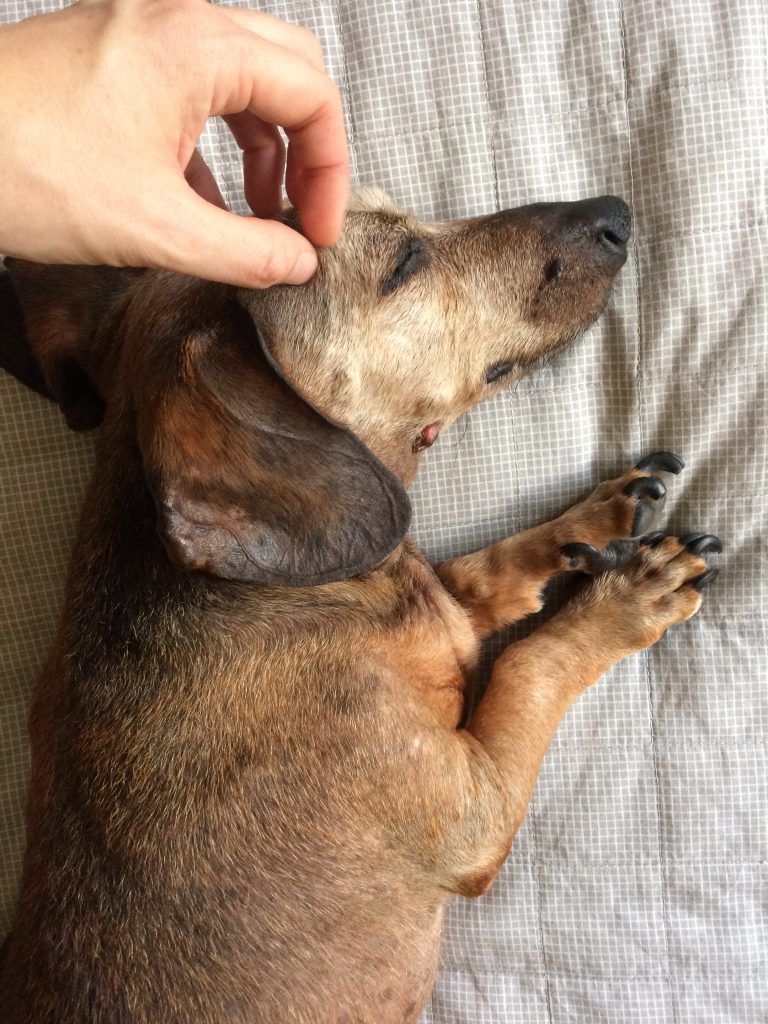
Expressing Female Dog Anal Glands
Expressing a female dog’s anal glands requires a slightly different approach than expressing those of a male. Due to the higher placement of the glands, external expression may require more skill and experience.
Vets or professional groomers are often adept at performing this task efficiently and safely. It is crucial to exercise caution and avoid excessive pressure or rough handling during the expression process to prevent injury or discomfort to the dog.
Anal Gland Supplements
In addition to external expression, some dog owners may consider using anal gland supplements to promote healthy anal gland function. These supplements ideally contain natural ingredients that support a dog’s digestive system, firm up the stool, and reduce the risk of anal gland problems.
However, it’s important to consult a veterinarian before introducing any supplements to your dog’s diet, as they can provide guidance on the appropriate product and dosage for your specific dog.

While female dog anal glands are not fundamentally different from those of males, there are certain nuances to consider when addressing anal gland issues in females. Although there is no conclusive evidence suggesting a higher prevalence of anal gland problems in females, proper care and maintenance are essential for all dogs.
Understanding the unique aspects of female dog anal glands and seeking professional assistance when needed can help keep your furry companion healthy, comfortable, and free from anal gland issues.

