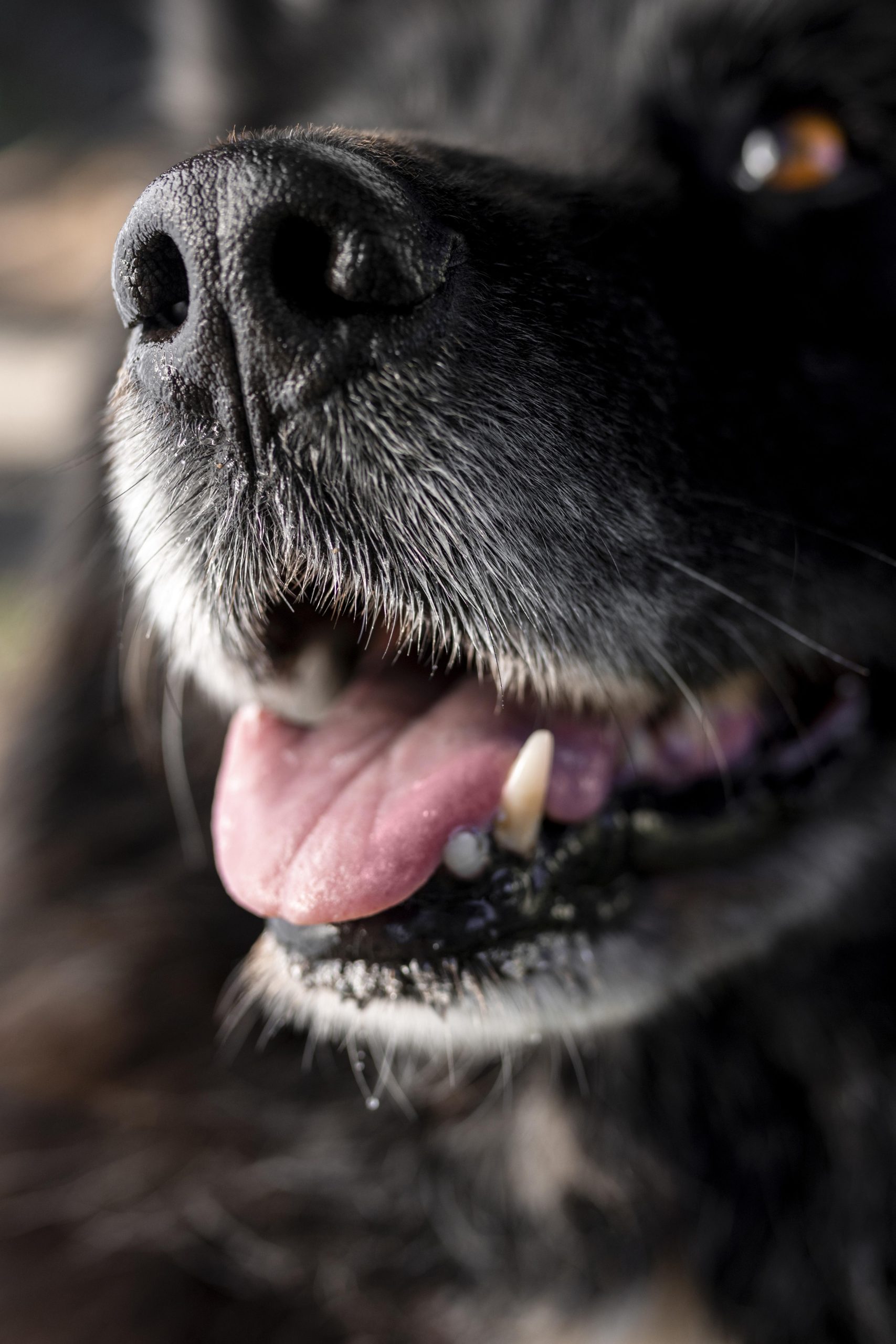
The health and well-being of our canine companions are of paramount importance to pet owners worldwide. Among the myriad concerns for a dog’s health, dental issues stand out due to their commonality and potential impact on overall well-being.
The role of breed, age, and genetics in determining a dog’s dental health is significant, with certain breeds being more predisposed to dental issues than others. Understanding these factors can help pet owners take proactive steps to ensure their pets maintain optimal dental health throughout their lives.


Small breeds, such as Toy Poodles, Dachshunds, Yorkshire Terriers, and Chihuahuas, often have overcrowded teeth. This overcrowding can lead to increased plaque build-up and a higher risk of periodontal disease. Their small size does not diminish the size of their teeth, resulting in a denser packing of teeth in a limited space, which complicates effective cleaning.
Brachycephalic breeds, characterized by their short noses and flat faces, such as English Bulldogs, Pugs, Shih Tzus, and Boxers, also face a higher risk of dental issues. The unique structure of their jaws and teeth can lead to misalignment and an increased likelihood of periodontal disease due to difficulties in maintaining oral hygiene.
Conversely, larger breeds may have different dental health challenges. Greyhounds, for instance, are known for having particularly thin enamel, making their teeth more susceptible to wear and disease.
Each breed comes with its own set of challenges that can influence dental health, necessitating breed-specific approaches to dental care.
Age is another critical factor affecting dental health in dogs. As dogs age, they become more susceptible to dental issues. This increased risk is due in part to the cumulative effects of plaque and tartar build-up over the years. Older dogs are more likely to suffer from advanced periodontal disease, which can lead to tooth loss, infection, and other health problems if left untreated.
Young dogs, while generally having healthier teeth, are though not immune to dental problems. Puppies can suffer from dental issues such as retained baby teeth, which can affect the alignment of the permanent teeth and lead to overcrowding and increased plaque build-up. Early dental care and regular veterinary check-ups can help identify and address these issues before they become more serious.


Genetics play a significant role in the dental health of dogs. Certain genetic traits can predispose dogs to dental problems, including the shape of the mouth and teeth, the strength of the enamel, and the dog’s immune response to bacterial infections in the mouth. For example, dogs with genetically weak enamel may be more prone to cavities and wear, while those with a strong immune response may be better able to resist periodontal disease.
Research into the genetic basis of dental health in dogs is ongoing, with the hope that understanding these genetic factors can lead to better prevention and treatment options in the future.
While all dogs can potentially develop dental issues, some breeds are more prone to dental problems due to the factors discussed above. These are some of the breeds known to have a higher risk of dental issues:

Small Breeds
Small breeds are particularly prone to dental problems due to the crowding of teeth in their small mouths, which can make them more susceptible to plaque buildup and gum disease.
Toy Poodles: Their small mouths can lead to crowded teeth, increasing the risk of plaque accumulation and periodontal disease.
Dachshunds: They have a tendency for gum disease and tooth loss, partly because of their long, narrow jaws.
Yorkshire Terriers: Yorkies often suffer from dental issues due to tartar buildup and the potential for early tooth loss.
Chihuahuas: Their tiny mouths can lead to overcrowded teeth, making dental hygiene particularly challenging.
Brachycephalic Breeds
Breeds with short noses and flat faces (brachycephalic breeds) often have dental issues because their teeth are crowded into a smaller than normal space, affecting tooth alignment and increasing the risk of dental diseases.
English Bulldogs: Their compressed jaw structure leads to crowded teeth, making them susceptible to periodontal disease.
Pugs: Similar to Bulldogs, Pugs have a compact facial structure that can result in dental problems due to misaligned teeth and overcrowding.
Shih Tzus: These dogs often have teeth alignment issues due to their brachycephalic nature, contributing to dental health challenges.
Boxers: Boxers are another brachycephalic breed with a predisposition to dental issues because of their teeth crowding.
Other Breeds
Some larger breeds and those with specific genetic traits can also be more prone to dental issues.
Cavalier King Charles Spaniels: They are known to have dental issues, including early onset periodontal disease, due to their mouth structure and possibly genetic predispositions.
Greyhounds: This breed is known for having particularly thin enamel, which can increase the risk of dental disease.

Understanding the role of breed, age, and genetics in a dog’s dental health allows pet owners to take proactive steps in caring for their pets. Regular dental check-ups, daily tooth brushing, and providing dental chews / toys can help maintain oral hygiene. The right diet and dental supplement can also further support dog’s dental health.
For breeds at higher risk of dental issues, more frequent veterinary visits and specialized dental care may be necessary.
Additionally, educating pet owners about the signs of dental problems and the importance of early intervention can help prevent minor issues from becoming major health concerns. By recognizing the unique needs of their pets based on breed, age, and genetic predispositions, owners can ensure their dogs receive the best possible care for a healthy, happy life.
In conclusion, the interplay of breed, age, and genetics significantly influences the dental health of dogs. By understanding these factors, pet owners can tailor their approach to dental care, ensuring their beloved companions enjoy the highest quality of life possible.