Home » Dog Stomatitis
Canine stomatitis is an inflammatory condition in the mouth that affects the gums, lips, and the mucosal lining of the mouth cavity. Like feline stomatitis, this condition can be quite painful for dogs.
What Is Stomatitis in Dogs and What Can You Do About Canine Stomatitis?
The causes of stomatitis in dogs can be multifactorial and may include:
Dental Disease: The accumulation of plaque and tartar can lead to periodontal disease, which is a common cause of stomatitis.
Autoimmune Diseases: Certain autoimmune conditions can cause the dog’s immune system to attack the cells of the oral mucosa, leading to inflammation.
Infections: Bacterial, viral, or fungal infections can contribute to the development of stomatitis.
Allergies: Allergic reactions to food, dental products, or environmental factors might lead to oral inflammation.
Foreign Bodies: Ingested objects that get lodged in the mouth can cause irritation and inflammation.
Underlying Systemic Diseases: Conditions like kidney disease or diabetes can have oral symptoms, including stomatitis.
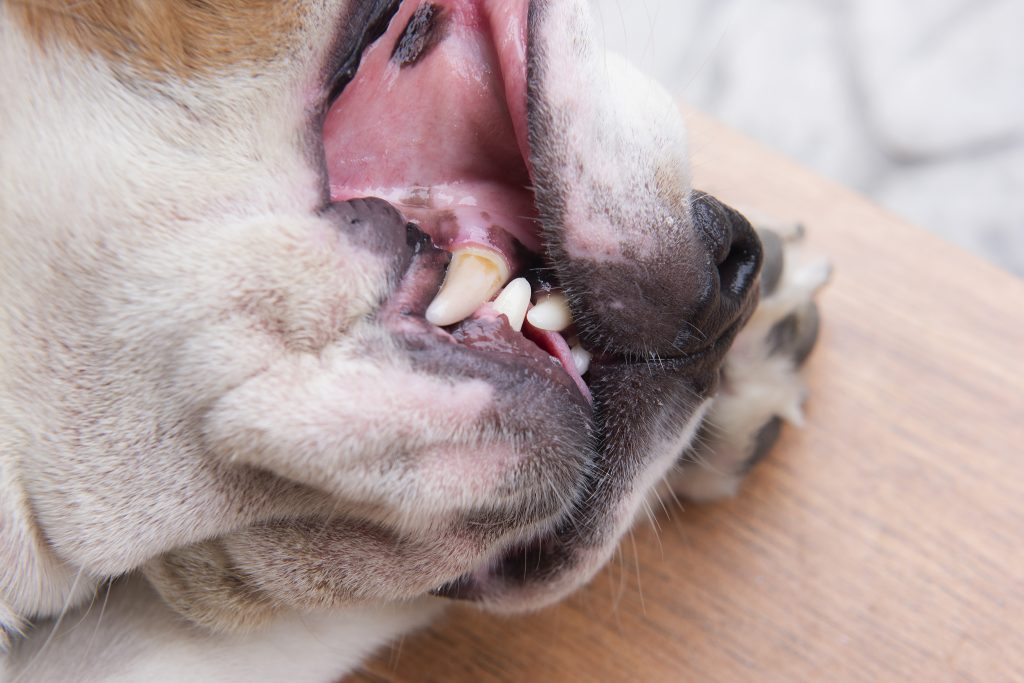
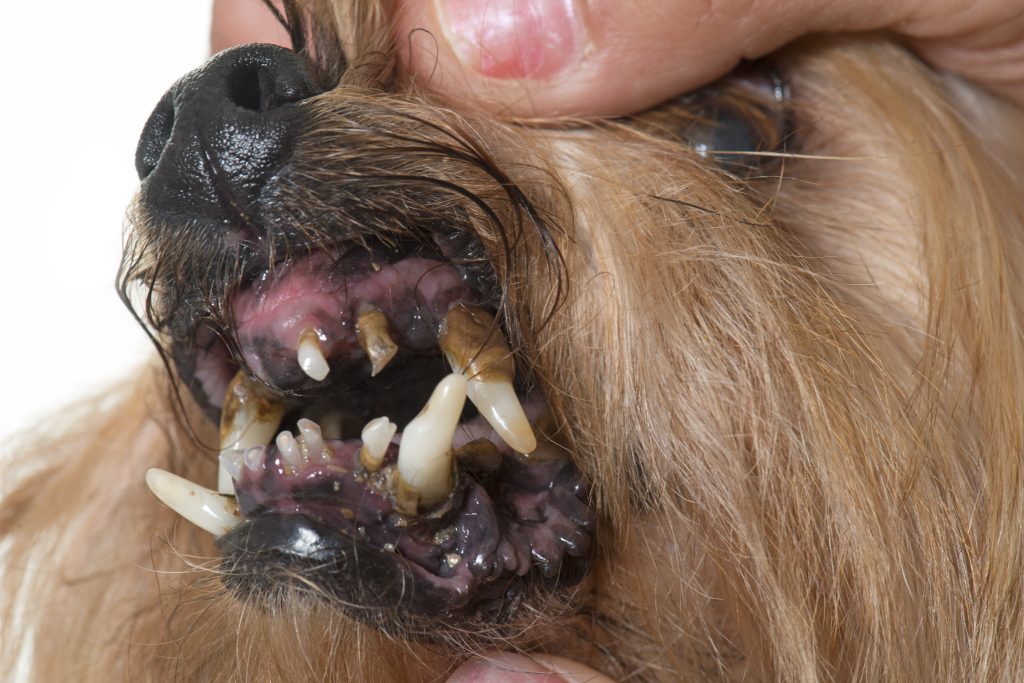
Symptoms in dogs can be like those seen in cats and may include:
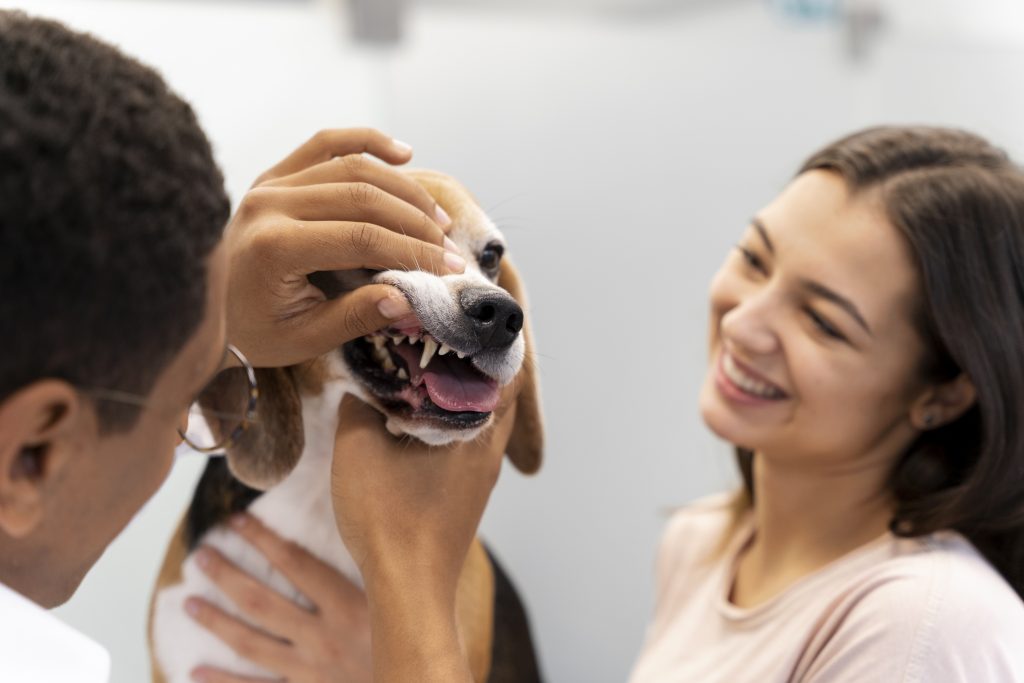
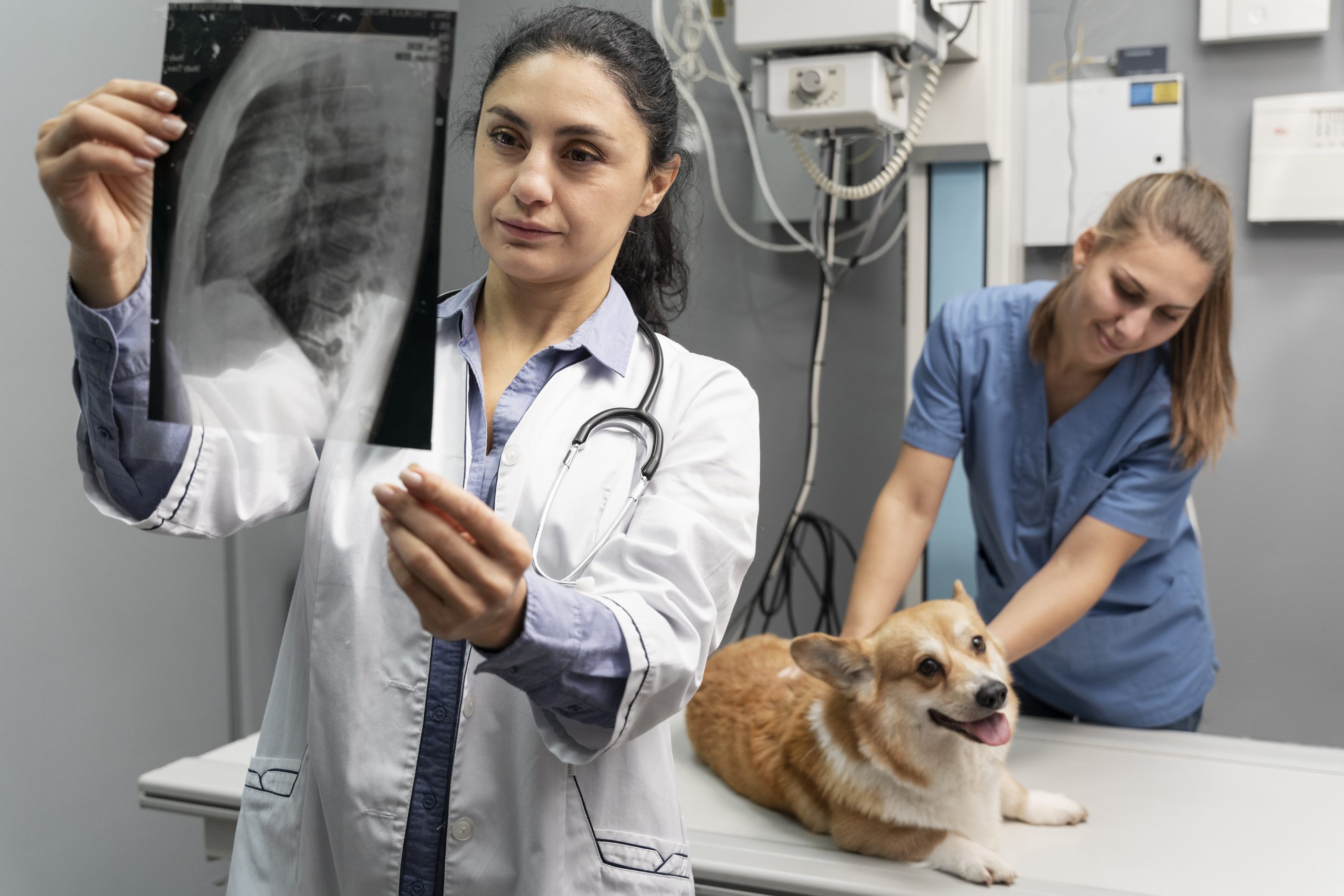
Diagnosis of canine stomatitis typically involves a thorough examination by a veterinarian, which may require sedation. The vet may take X-rays, perform dental cleanings, or take tissue biopsies to determine the underlying cause.
Treatment options may include:
Dental Care: Professional cleaning and removal of any diseased teeth to reduce plaque and bacterial load.
Pain Management: Use of pain relievers to alleviate discomfort.
Anti-Inflammatory Therapy: Corticosteroids or other anti-inflammatory medications to reduce inflammation.
Antibiotics: To treat any underlying bacterial infection.
Dietary Changes: Switching to soft foods to ease pain while eating.
Oral Hygiene: Regular brushing and use of mouth rinses to maintain oral health.
Treatment of Underlying Issues: Addressing any systemic health problems that may be contributing to the condition.
The management of dog stomatitis involves regular follow-up with a veterinarian and a commitment to oral hygiene and health. The prognosis depends on the severity of the disease and the underlying causes. Some dogs may require ongoing treatment to manage the condition effectively.
In both dogs and cats, early intervention is key to managing stomatitis and providing the best possible quality of life for the animal. If you suspect your pet may be suffering from stomatitis, it is important to seek veterinary care as soon as possible.