
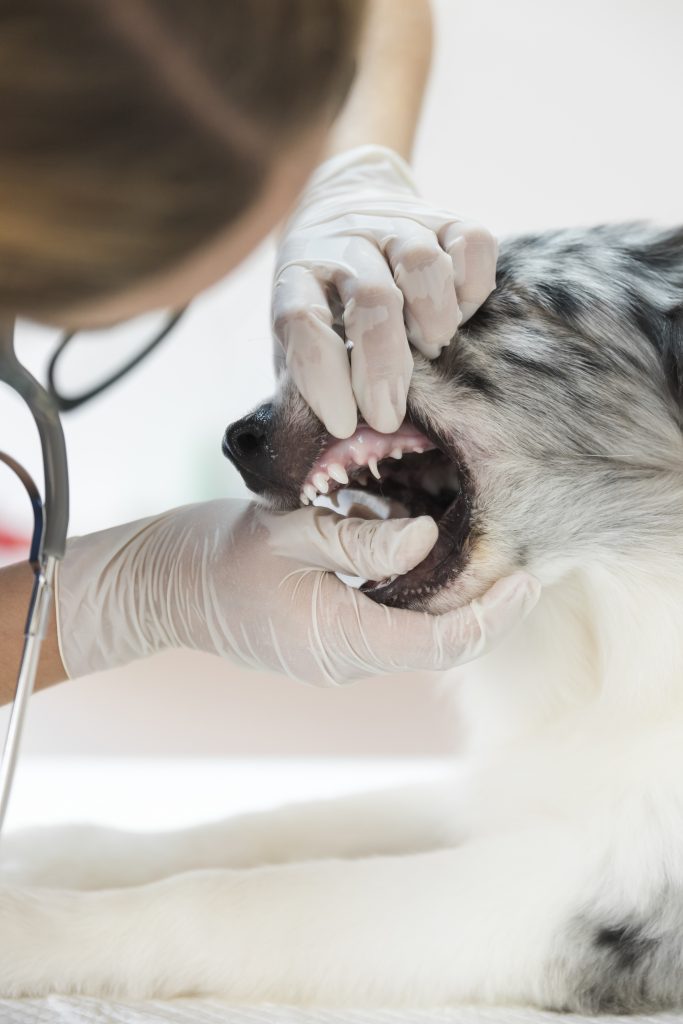
When your canine companion greets you with a wagging tail but also a wave of unpleasant odour from their mouth, it’s more than just a minor inconvenience; it could be a sign of underlying health issues.
Dog bad breath, or canine halitosis, is a common complaint among pet owners, and it’s one that warrants attention. This article delves into the causes of bad breath in dogs, practical solutions, and the preventative role of diet and supplements.
Bad breath in dogs, canine halitosis, can stem from various sources and understanding these can help in addressing the issue effectively.

Dental Issues: The most common cause of bad breath in dogs is poor oral hygiene. Plaque and tartar build-up on the teeth can lead to periodontal disease, which is characterized by swollen, inflamed, and bleeding gums, along with the accompanying bad odor.
Diet: Just like in humans, what a dog eats can affect their breath. Certain foods can cause or exacerbate bad breath.
Gastrointestinal Issues: Sometimes, the cause of bad breath could be further down the digestive tract. Issues such as gastrointestinal infections, obstructions, or chronic conditions can manifest through bad breath.
Medical Conditions: Various medical issues such as diabetes, kidney disease, or liver problems can also contribute to bad breath. For instance, a fruity smell can indicate diabetes, while a urine-like smell might point to kidney disease.
Oral Neoplasia: Tumours in the mouth can lead to bad breath due to the presence of necrotic tissue.
Addressing your dog’s bad breath involves a multi-faceted approach, from improving dental hygiene to vet consultations.
Dental Hygiene
Brushing your dog’s teeth regularly is the first line of defence against bad canine breath. Use canine toothpaste and a suitable toothbrush to clean their teeth daily or at least several times a week.
Professional Check-ups
Regular check-ups and professional cleanings by a veterinarian can prevent the progression of dental diseases.
Dental Support Products
There are dental supplements and chews that are specifically designed to help minimize bad breath.
Diet Management
Feeding your dog a balanced diet formulated for their specific life stage and health needs can significantly affect their oral health.
Regular Vet Visits
Since bad breath can be a symptom of underlying medical issues, regular veterinary visits are essential for early detection and treatment.
A dog’s diet is crucial not only for their overall health but also for maintaining fresh breath. Here’s how a good diet can make a difference:
High-Quality Ingredients: Foods made with high-quality, digestible ingredients reduce the amount of waste in the gut, which can contribute to better breath.
Hard Kibble: Some evidence suggests that hard kibble can help reduce plaque and tartar build-up due to the mechanical action of chewing. However, if you prefer other type of diet for your dog, just make sure he gets enough to chew on, like bones, treats, and chewing toys.
Special Diets: Therapeutic pet foods specifically designed for dental health can also play a role in maintaining oral hygiene. This should not be needed for a healthy dog with good balanced diet and established dental care routine but this can be beneficial for dogs that have had bad dental care in the past.
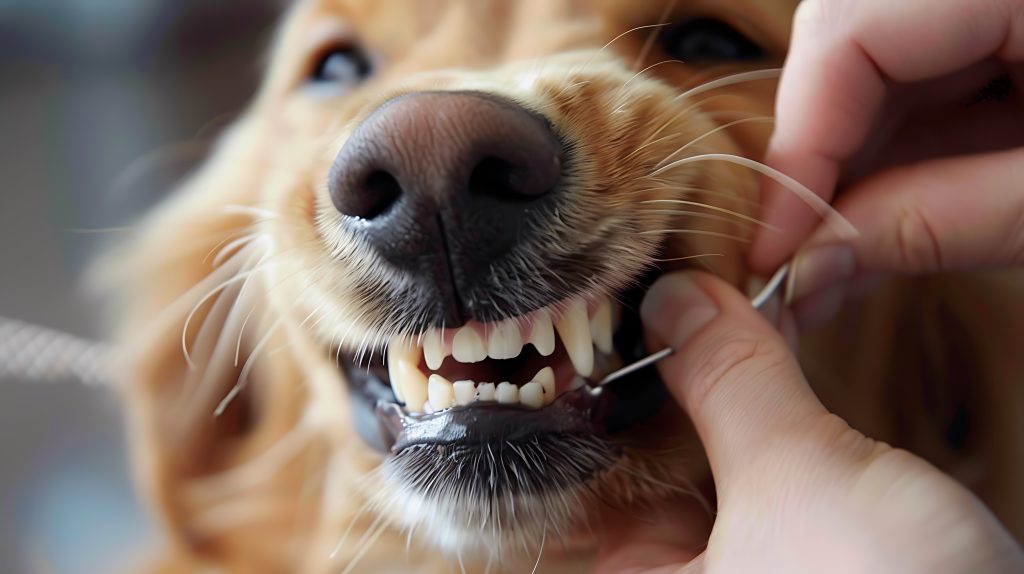
In addition to a good diet, certain supplements can support dental health:
Probiotics
These beneficial bacteria can help balance the oral and gut microbiome, which may reduce bad breath.
Dental Supplements
Dental and gum supplements can help to break down plaque and tartar can help to reduce horrible dog breath.

Prevention is always better than cure. Developing a holistic plan that includes regular dental care, a balanced diet, and appropriate supplements, can help keep your dog’s breath fresh and, more importantly, contribute to their overall well-being.
Regular veterinary consultations will not only keep horrible dog breath at bay but also ensure that any potential health concerns are addressed promptly. In essence, a dog’s bad breath should never be ignored. It’s not just about unpleasant odour; it’s about your pet’s health and quality of life.
By paying close attention to your dog’s breath and taking the necessary steps to maintain their oral hygiene, you’re ensuring that your affectionate interactions are not just loving but also odour-free. So, embrace the journey of tackling canine halitosis head-on, and look forward to fresher cuddles and kisses from your furry best friend.


