Home » Canine Dental Cleaning
The Importance of Canine Dental Cleaning
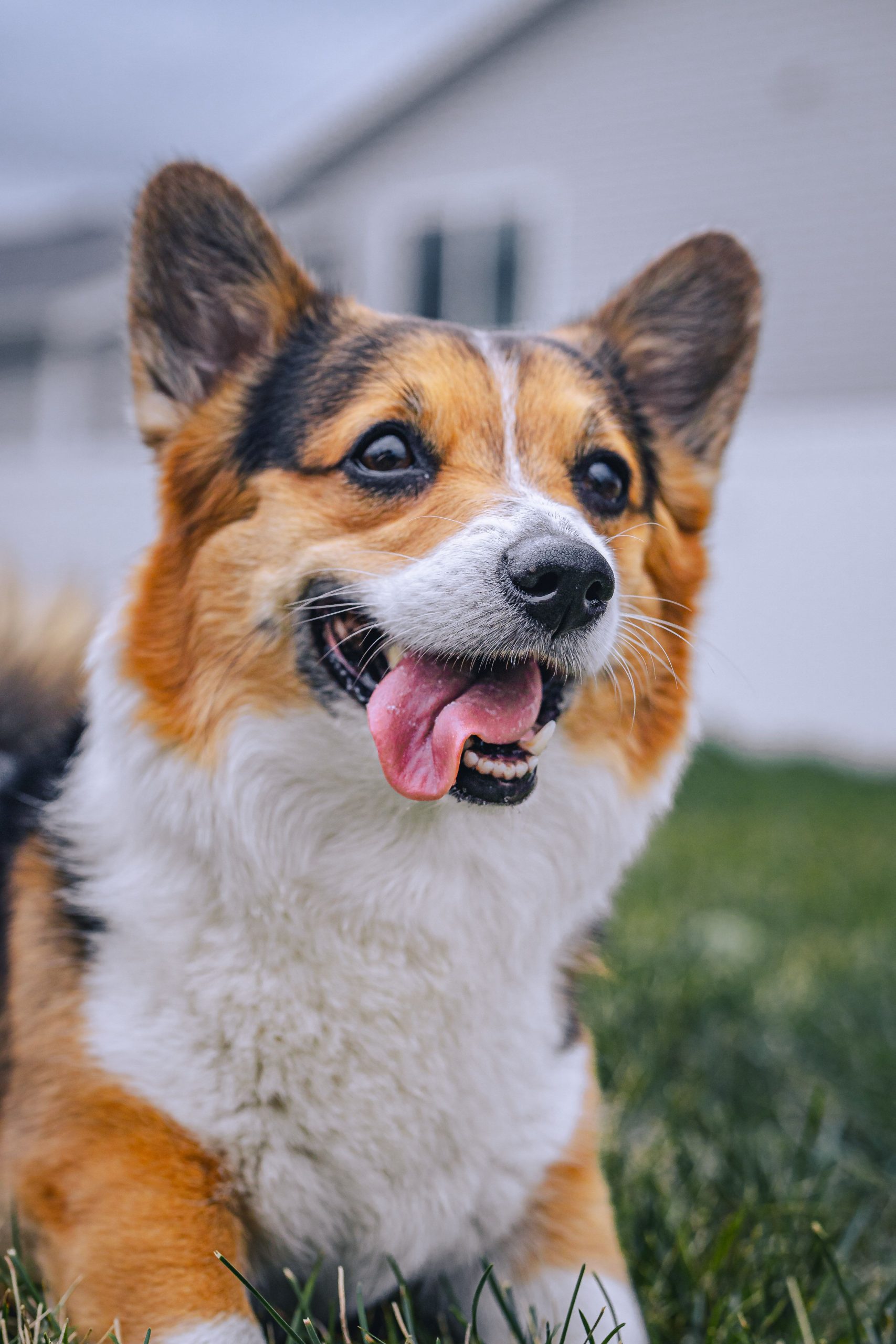
Caring for a dog encompasses much more than providing food, water, and shelter. One aspect of canine health that is often overlooked is dental care. Just like humans, dogs need regular teeth cleaning to maintain their overall health and prevent various diseases.
The necessity of dental hygiene for dogs cannot be understated, as it can directly impact their comfort, health, and even their lifespan.
Dental disease is one of the most common problems in dogs, with most having some form of periodontal disease by the age of three. This is largely due to lack of teeth cleaning. Without proper dog dental care, plaque and tartar can build up on a dog’s teeth, leading to gingivitis (gum inflammation) and periodontitis (gum disease).
These conditions are not only painful but can also lead to tooth loss and can introduce bacteria into the bloodstream, potentially damaging the heart, liver, and kidneys.
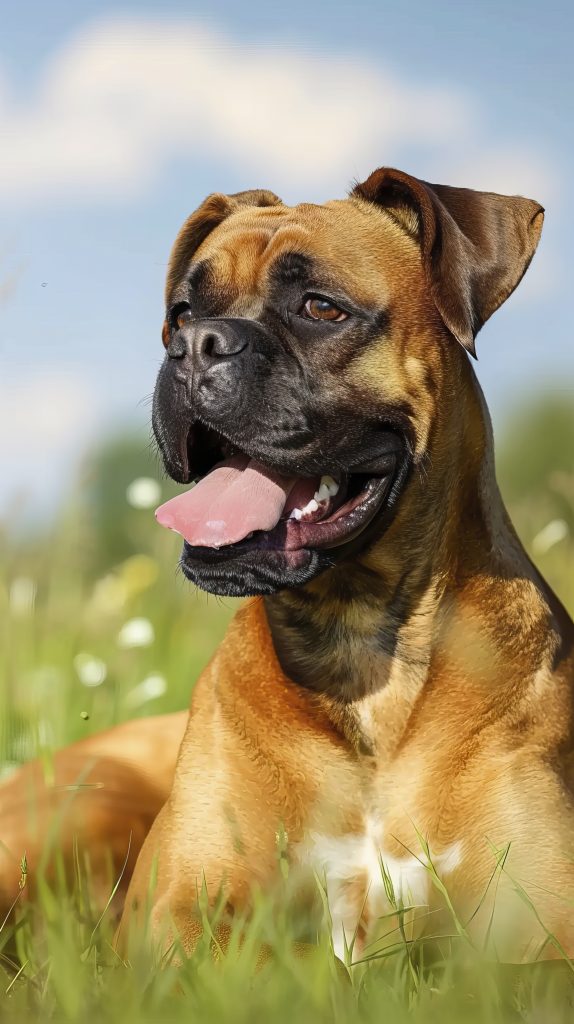
Signs of dental problems in dogs can include bad breath, difficulty chewing, loss of appetite, red or swollen gums, brownish tartar on the teeth, and even behavioural changes due to pain. If you notice any of these symptoms, it’s important to consult your veterinarian for an assessment.
Professional canine dental cleaning, also known as dental prophylaxis, is a thorough cleaning procedure for a dog’s teeth and gums that can only be performed by a veterinarian or a veterinary dentist. This is an overview of the process:
Preparation and Anaesthesia
Before the procedure begins, a veterinarian will typically conduct a pre-aesthetic assessment, which may include blood tests to ensure the dog can safely undergo anaesthesia. Once the dog is cleared for the procedure, they are anesthetized. Anaesthesia is necessary to keep the dog still and pain-free during the cleaning, as the process can be uncomfortable and stressful for them. Additionally, it allows the veterinarian to thoroughly examine the entire mouth and clean below the gum line, where most dental disease occurs.
Scaling
With the dog under anaesthesia, the veterinary dentist will start the cleaning process with scaling. This involves using a special instrument to remove plaque and tartar from the surface of the teeth, both above and below the gum line. Scaling is a meticulous process that includes the removal of the calculus that is often firmly adhered to the tooth surface. For areas below the gum line, which are crucial in preventing periodontal disease, the vet may use an ultrasonic scaler to clean efficiently without damaging the sensitive gum tissue.
Polishing
After scaling, the teeth are polished to smooth out any roughness on the teeth surfaces that were left by the scaling process. Polishing the teeth is an important step as it makes the teeth surfaces smooth and more resistant to future plaque build-up. The polishing is done with a special paste that is designed for use on dogs.
Flushing
The next step is to flush the mouth with an antimicrobial solution to remove dislodged tartar, plaque, and bacteria. This also helps to reduce bacteria that can cause dental disease.
Dental X-rays
In some cases, dental X-rays may be performed to check the health of the jaw and the tooth roots beneath the gum line. This is crucial because some dental diseases cannot be detected by looking at the teeth and gums alone.
Extractions or Other Dental Work
If any issues such as cavities, broken teeth, or advanced periodontal disease are found, the vet may perform additional procedures such as extractions or minor oral surgery. This is often done during the same anaesthesia session to avoid the need for additional anaesthetic procedures.
Recovery
After the cleaning (and any additional procedures), the dog is moved to a quiet, comfortable recovery area to wake up from anaesthesia. The veterinary team monitors the dog closely for any complications from the anaesthesia or the dental procedure.
Post-Cleaning Care
Once awake and back at home, the dog may be groggy for the rest of the day. The vet will provide specific aftercare instructions, which may include a special diet and pain management. The owner will also be given guidelines on how to care for the dog’s teeth moving forward, including daily brushing and the use of dental health products.
As anaesthesia is a medical intervention, it is not suitable for all dogs, nor is it recommended on a routine basis. It is therefore important to minimise the need of professional dog dental cleaning as much as possible, i.e. with regular canine teeth cleaning routine at home.
At-home dental care is an integral part of your dog’s oral hygiene. Here’s how to approach it:
Teeth Brushing: Daily brushing is ideal, but several times a week can be beneficial too. Use a toothbrush designed for dogs and toothpaste that is safe for canines. Introduce the practice slowly to your dog and make it a positive experience with lots of praise and treats.
Dental Treats and Chewing Toys: These products are designed to help reduce plaque and tartar build-up and are a good supplement to regular brushing. However, they should not replace brushing altogether.
Diet and Dental Supplements: Some dog foods are formulated to help prevent dental plaque and tartar. Discuss with your vet the best dietary options for your dog’s dental health and consider dental and gum support supplement if needed.
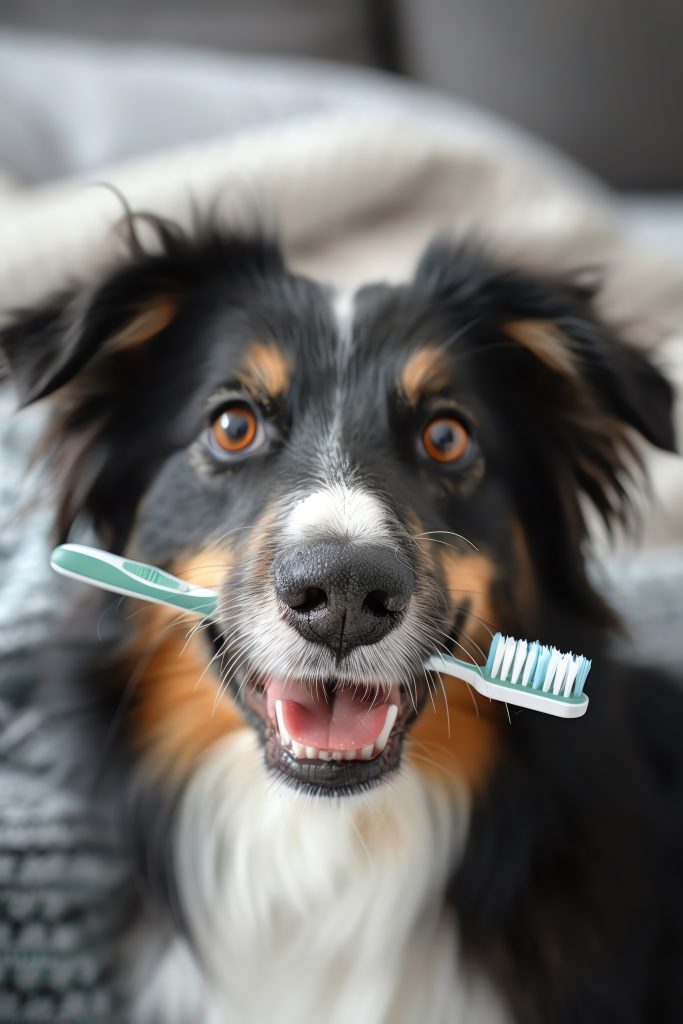

Prevention is always better than cure, especially when it comes to dental health. Starting dental care routines when dogs are young is ideal, but it’s never too late to start. Regular veterinary check-ups will ensure that any dental issues are caught early, and a consistent at-home care routine will greatly reduce the risk of dental diseases.
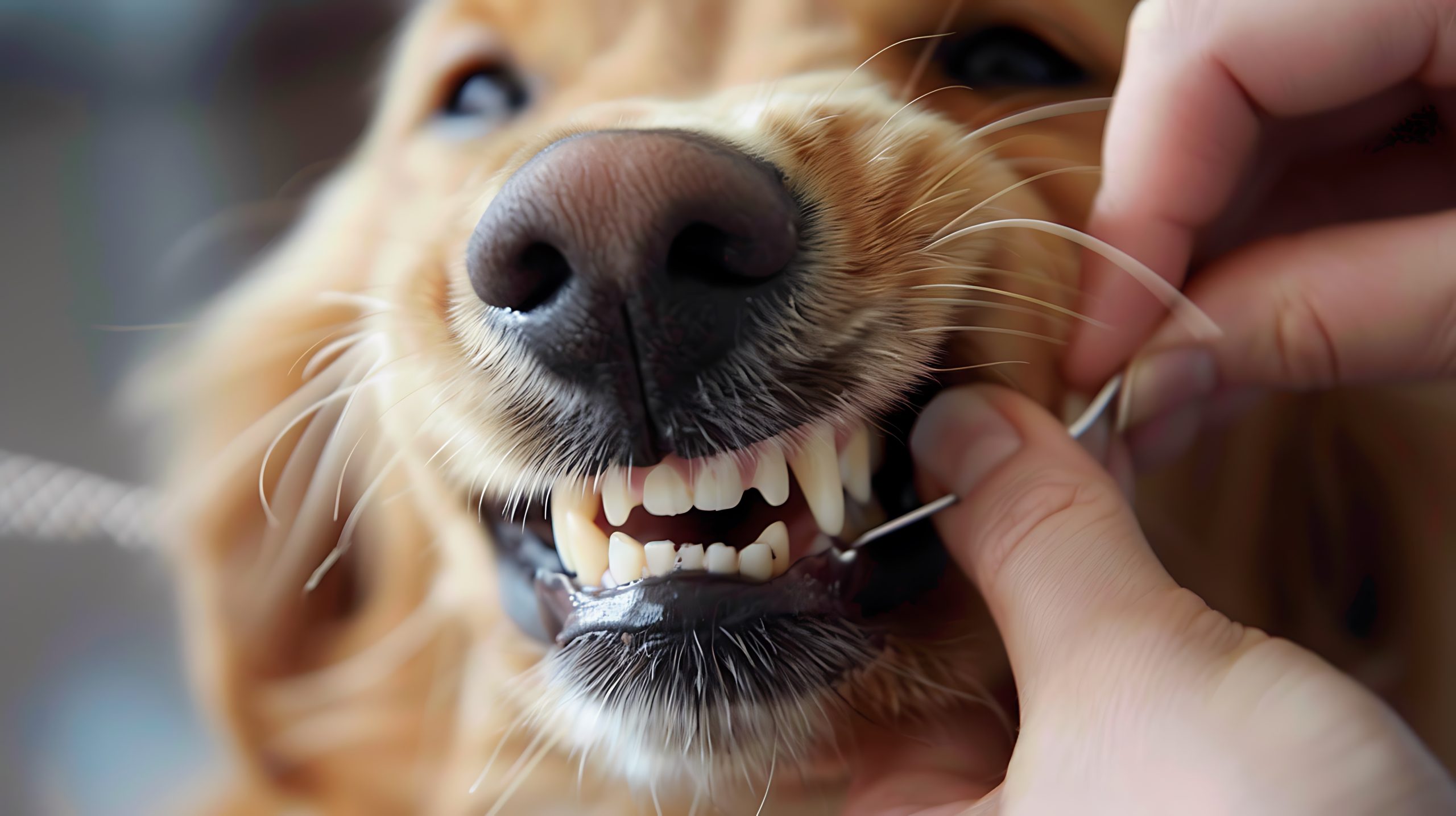
The Risks of Neglecting Dental Health
Neglecting a dog’s dental health can lead to significant health issues. Periodontal disease can cause severe pain, making it difficult for a dog to eat or play. In the worst cases, the bacteria from periodontal disease can enter the dog’s bloodstream, leading to systemic infections and affecting major organs, which can have life-threatening consequences.
The Role of the Owner
As a dog owner, you play the most crucial role in your pet’s dental health. Regular checks of your dog’s mouth will help you notice any abnormalities early, and a proactive approach to teeth cleaning will keep your pet happy and healthy. It’s also important to be informed about the dental products you choose for your dog, as some can be ineffective or even harmful.
In conclusion, canine dental cleaning is a vital part of a dog’s overall health regimen. Dog teeth cleaning can prevent painful and costly health problems and improve the quality of life for your furry friend. By taking the time to clean your dog’s teeth and provide them with dental check-ups, you’re investing in their wellbeing and ensuring that they remain a happy and healthy member of your family for years to come.
Regular veterinary care and a good at-home dog teeth cleaning routine can help your dog live a longer, healthier life.