Cat smelly breath, it’s more than just an unpleasant encounter for the owner—it’s a red flag that something may be amiss in the pet’s health. Bad breath in cats, medically known as feline halitosis, can be the precursor of several underlying health issues ranging from minor to serious.
This article aims to demystify the causes of cat halitosis and offers a guide to restoring and maintaining the oral health of our feline friends.
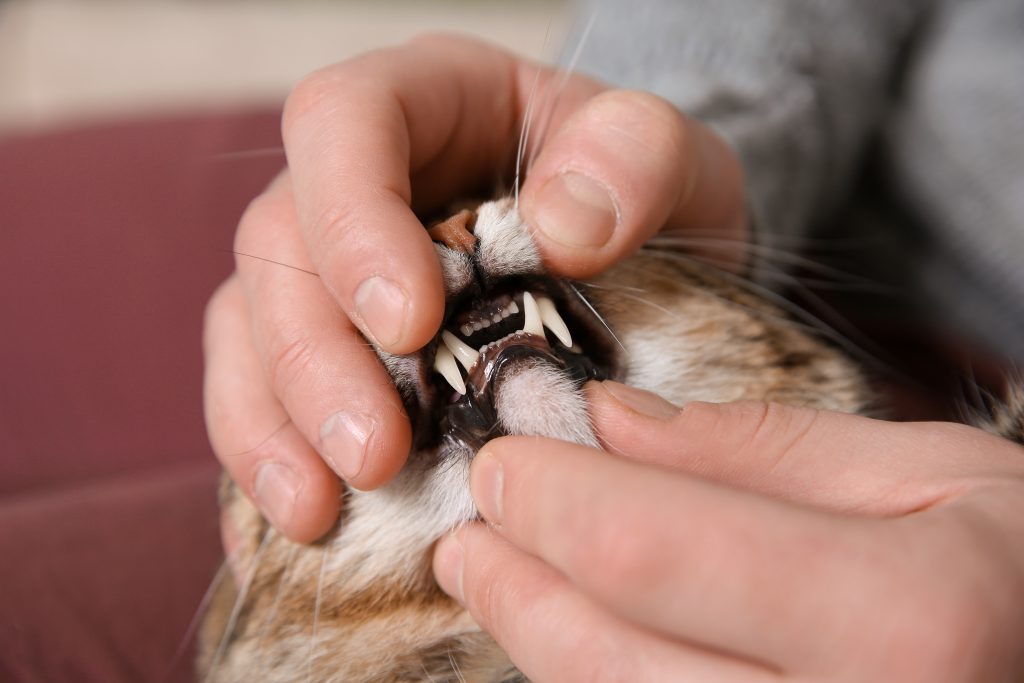
Bad breath in cats is often a symptom rather than a standalone condition. A cat’s breath might have a slightly different smell due to its diet, but genuinely foul breath should not be dismissed.
Cat halitosis is typically caused by bacterial production of odour-causing compounds, which can originate from various sources within a cat’s mouth or even from systemic conditions.
Dental Diseases
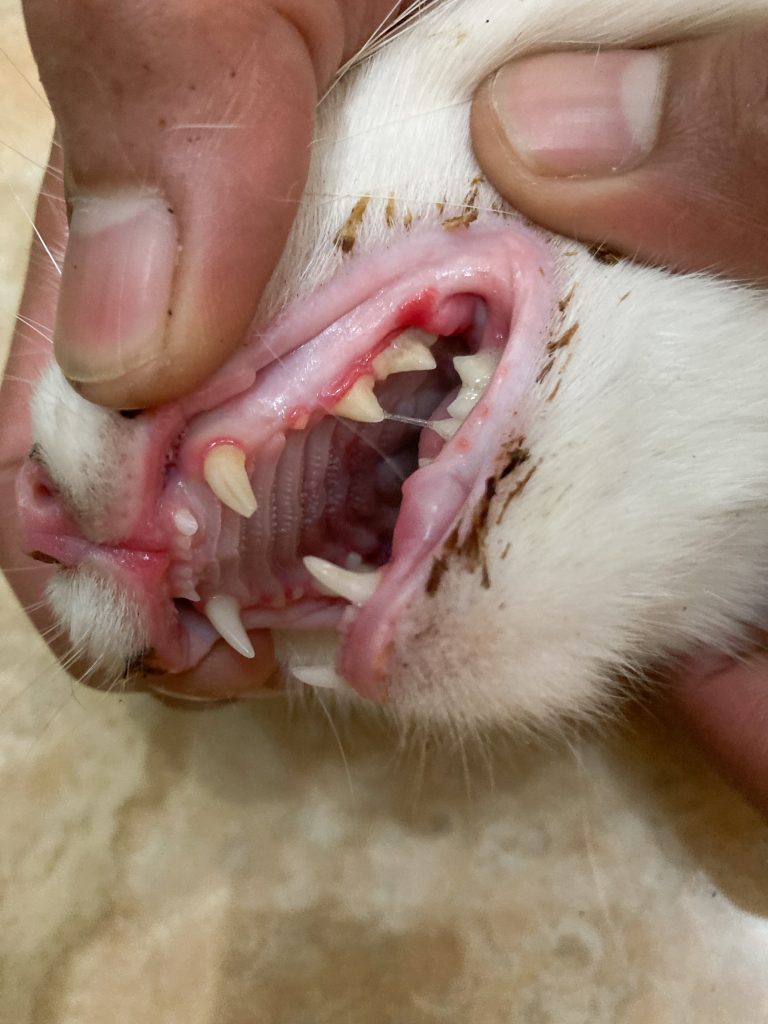
The most prevalent cause of bad breath in cats is dental disease, such as gingivitis and periodontal disease. These conditions arise from the build-up of plaque and tartar leading to bacterial growth.
Oral Infections
Ulcers, abscesses, or infected wounds in the mouth can result in a putrid smell.
Kidney Disease
A cat with kidney disease may have breath that smells like ammonia or urine due to the build-up of waste products in the blood.

Diabetes
Diabetic cats may develop a sweet or fruity breath if they are suffering from diabetic ketoacidosis, a life-threatening complication that requires immediate veterinary attention.
Liver Disease
A liver condition can cause breath to take on a foul, sour smell and is often accompanied by a yellow tinge in the eyes and gums.
Gastrointestinal Issues
Problems within the gastrointestinal tract, including obstructions or cancers, can result in bad breath.
Diet
Sometimes, the cause of bad breath can be as simple as a dietary preference that doesn’t agree with the cat or the owner’s nose.
Oral Cancer
Squamous cell carcinoma, a type of oral cancer in cats, can cause a noticeable odour due to tissue destruction.
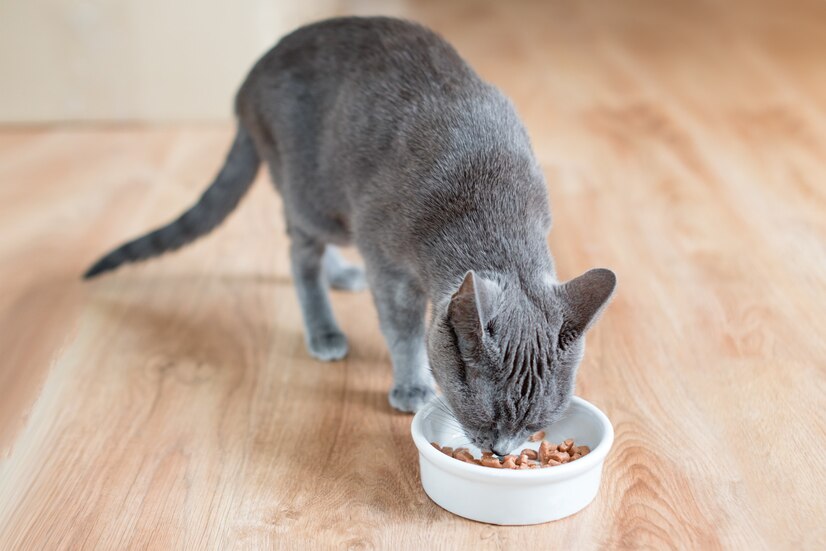
An accurate diagnosis begins with a thorough veterinary examination. A complete oral examination can reveal dental disease, infections, or ulcers.
Blood tests may be required to diagnose kidney or liver disease, diabetes, or other systemic conditions. In some cases, an abdominal ultrasound, X-rays, or other imaging studies may be necessary to look for gastrointestinal issues.
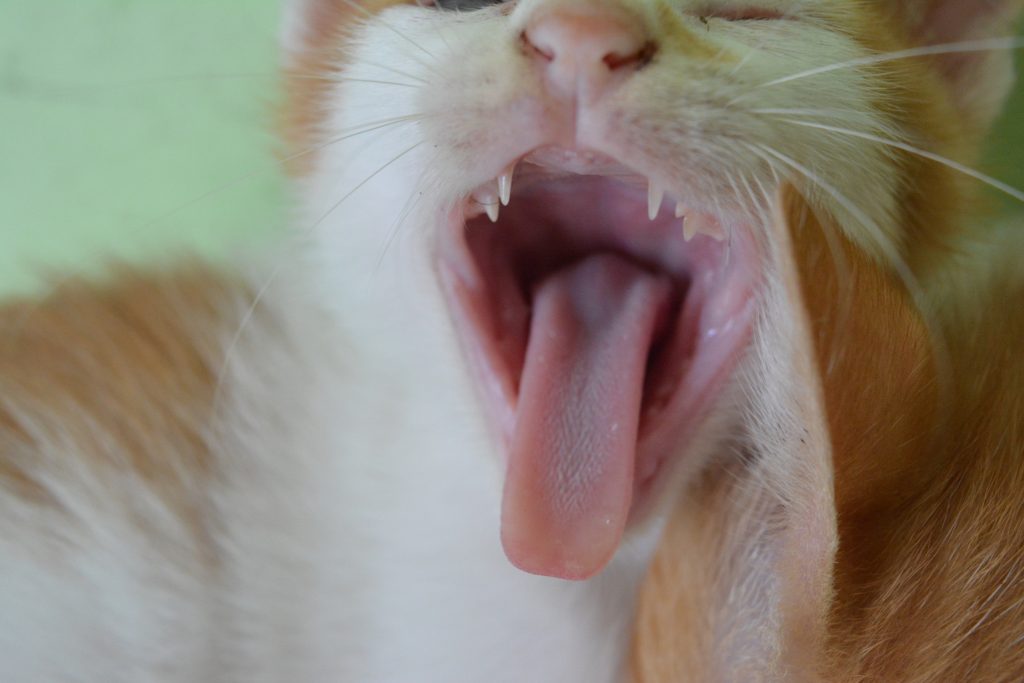
The treatment for cat bad breath will depend on the underlying cause. Here are the typical interventions:
Dental Care: Professional cleaning under anaesthesia, tooth extractions, or other dental work can address periodontal disease.
Antibiotics and Medications: These can treat oral infections or ulcers and address systemic diseases.
Diet Change: A shift to a specially formulated diet for dental health or to address other health issues. Dental and gum supplement may also be recommended by the Vet.
Fluid Therapy: For kidney disease, fluid therapy can help flush out toxins and alleviate bad breath.
Insulin Therapy: In the case of diabetes, proper insulin management can correct metabolic imbalances.
Surgery: For cancers or gastrointestinal blockages, surgery may be necessary.

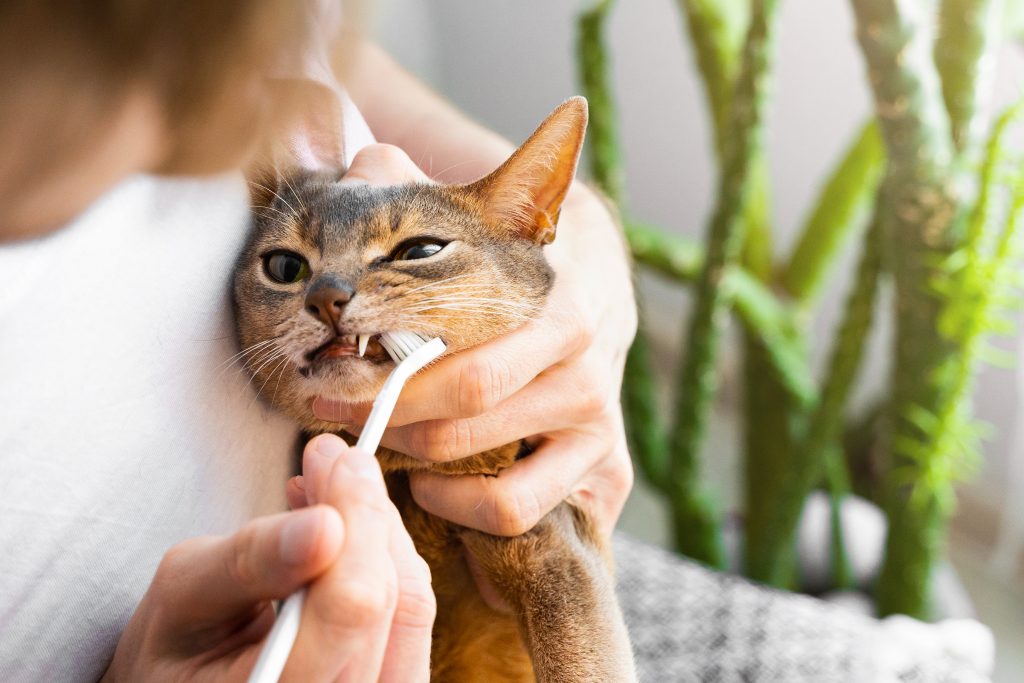
Prevention is always better than cure, especially in the realm of cat bad breath and dental health. Regular teeth brushing with cat-specific toothpaste, dental treats, balanced diet and dental supplementation can go a long way in preventing the conditions that lead to halitosis.
Regular veterinary check-ups can catch early signs of systemic diseases. Ensuring your cat has access to clean water at all times can also help flush bacteria from the mouth and reduce bad breath.
For cats with chronic health conditions that lead to persistent bad breath, management can be more challenging. Owners will need to work closely with their veterinarians to create a long-term care plan. This might include special diets, regular medications, and supportive care.
In these cases, controlling bad breath is not only about improving smell but also about ensuring the cat’s comfort and health.


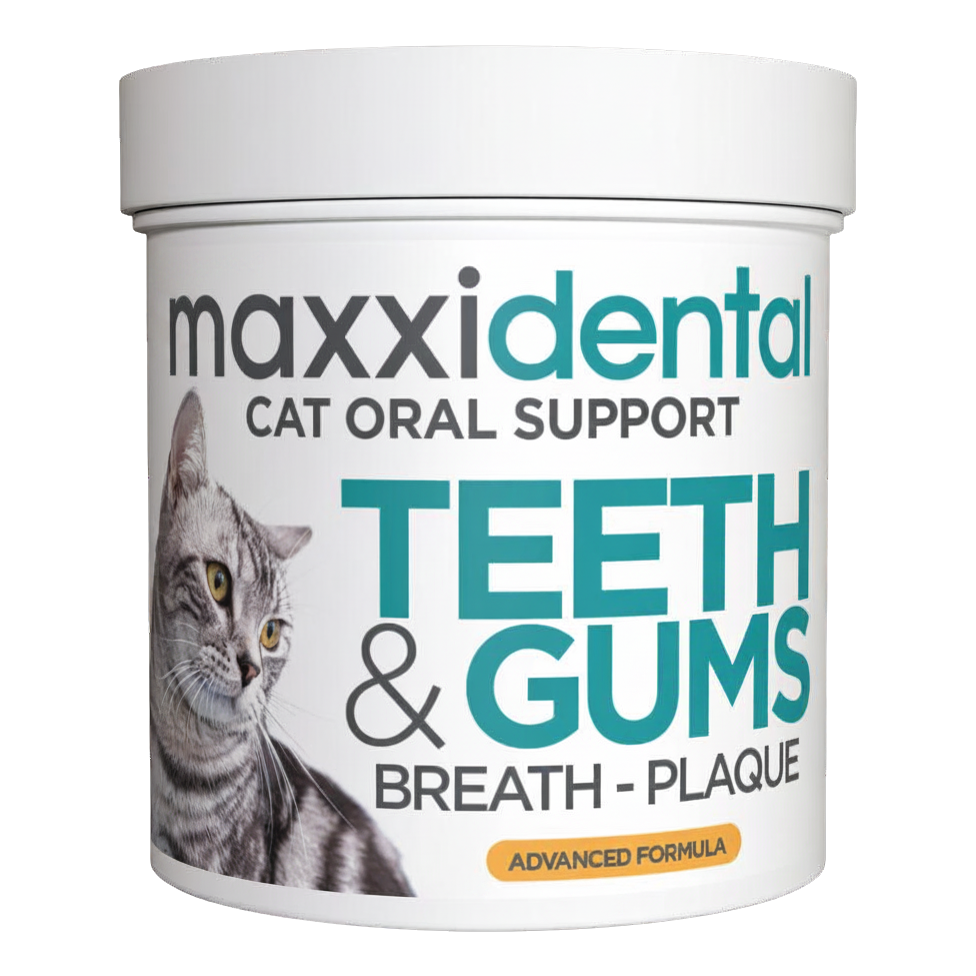
Good dental health is vital for cats’ overall health and wellbeing. Poor oral hygiene can not only cause tooth decay and gum diseases. It can also cause various other systemic health issues. Reducing oral bacteria and inflammation can decrease the risk of bacteria entering the bloodstream and affecting organs like the heart, liver, and kidneys. Our maxxidental is specifically designed to promote healthy gums, teeth, and fresh breath.
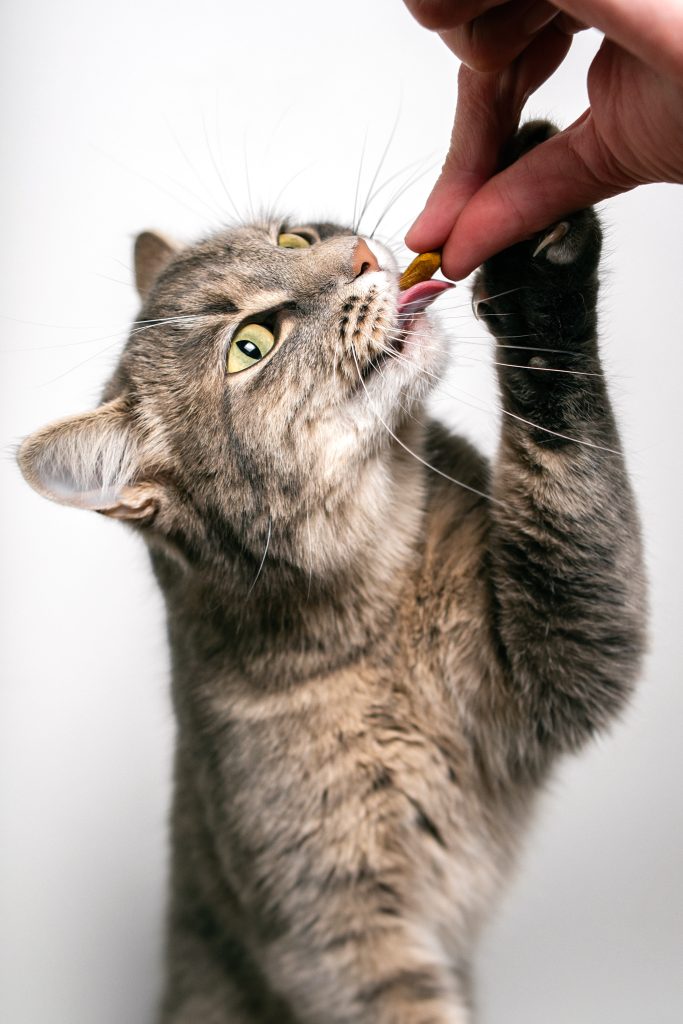
Cat owners play a critical role in the fight against feline halitosis. Observant owners can spot the signs of cat bad breath early and seek veterinary care. Furthermore, by maintaining a regular oral hygiene routine for their cat, owners can prevent many of the dental issues that lead to bad breath in cats.
In conclusion, while bad breath in cats can be a nuisance, it often points to treatable health conditions. With a proper understanding of the causes and available treatments, cat owners can help their pets live healthier life.