Maintaining good dental health in dogs is not just about brushing teeth and regular cleanings; your dogs’ diet also plays a pivotal role. Certain nutrients and ingredients in a dog’s diet can significantly contribute to stronger teeth, healthier gums, and a reduction in plaque and tartar build-up.
This article offers overview of some of the key nutrients and ingredients that are considered important for good dog dental diet.


Calcium and Phosphorus
These minerals are crucial for the development and maintenance of strong teeth. They help to reinforce the enamel and prevent tooth decay. Foods high in these minerals, or supplements designed for dogs, can be beneficial.
High-quality commercial dog foods should offer the right ratio of calcium and phosphorus, but natural sources like bone meal, canned fish with bones, and raw meaty bones can also be excellent sources of these minerals. Dairy products, such as yogurt and cottage cheese, can provide calcium in moderation. Leafy greens, like kale and broccoli, contribute to the intake but should not be solely relied upon due to their limited calcium content compared to a dog’s needs.
It’s important to avoid feeding dogs cooked bones due to the risk of splinters and internal damage.
Vitamin C
While dogs can produce vitamin C in their bodies, additional amounts can help with collagen production, which is essential for healthy gums. It also acts as an antioxidant, which can help reduce inflammation and the progression of periodontal disease.
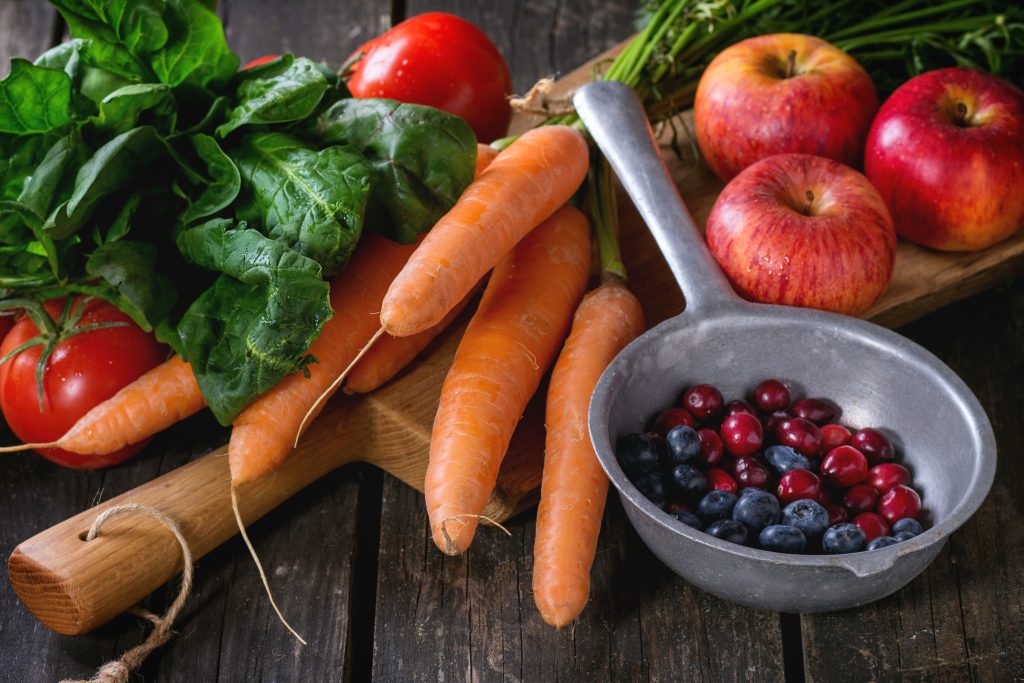
Safe sources of vitamin C for dogs include small portions of fruits such as blueberries, apples (cored and seedless), and cranberries, or vegetables like bell peppers and broccoli. These should be introduced slowly and constitute only a minor part of the overall diet to avoid digestive issues.

Vitamin D
This vitamin is important for oral health as it helps in the absorption of calcium, which in turn strengthens teeth and the jawbone.
Vitamin D for dogs is primarily obtained through their diet, as they cannot synthesize it in sufficient quantities through sun exposure like humans. Which is why commercial dog foods are usually fortified with vitamin D. Suitable food items for dogs that naturally contain vitamin D include fatty fish such as salmon, mackerel, and sardines.


Protein
Adequate protein is essential for overall health, including oral health. It’s necessary for the repair and maintenance of oral tissues and the immune response.
High-quality protein sources for dogs include meats such as chicken, beef, lamb, and turkey, as well as fish and eggs. Organ meats like liver are also nutrient-dense protein options. Cotton cheese is a popular non-meat alternative.
Omega-3 Fatty Acids
Omega 3 has anti-inflammatory properties that can help reduce gum inflammation and support overall gum health.
Fish are the best natural sources, with cold-water fatty fish such as salmon, mackerel, and sardines being particularly rich in omega-3s. Fish oil supplements designed for dogs can also be a convenient source. Additionally, flaxseeds and chia seeds provide alpha-linolenic acid, a type of plant-based omega-3, but note that dogs may not convert this to the beneficial EPA and DHA as efficiently as from fish sources.
Antioxidants
Vitamins such as A and E, and other compounds like carotenoids and flavonoids, can help reduce oxidative stress in the body, which in turn supports gum health and can help in the battle against periodontal disease.
Foods rich in antioxidants suitable for dogs include blueberries, cranberries, spinach, carrots, and sweet potatoes, all of which can be served in moderation as part of a balanced diet. Pumpkin is another antioxidant-rich food that is often well-tolerated by dogs and can contribute to digestive health. Commercial dog foods may also include antioxidant-rich ingredients or supplements like vitamins E and C.
Probiotics
Probiotics support a dog’s dental health by balancing the oral microbiome, leading to a reduction in harmful bacteria that can cause plaque and tartar build-up, as well as gingivitis and periodontal disease.
These beneficial bacteria compete with pathogenic bacteria for nutrients and space, making it harder for harmful microbes to establish colonies on the teeth and gum surfaces. Additionally, some probiotics can produce substances that inhibit the growth of pathogenic bacteria, further protecting the mouth from infections and inflammation.
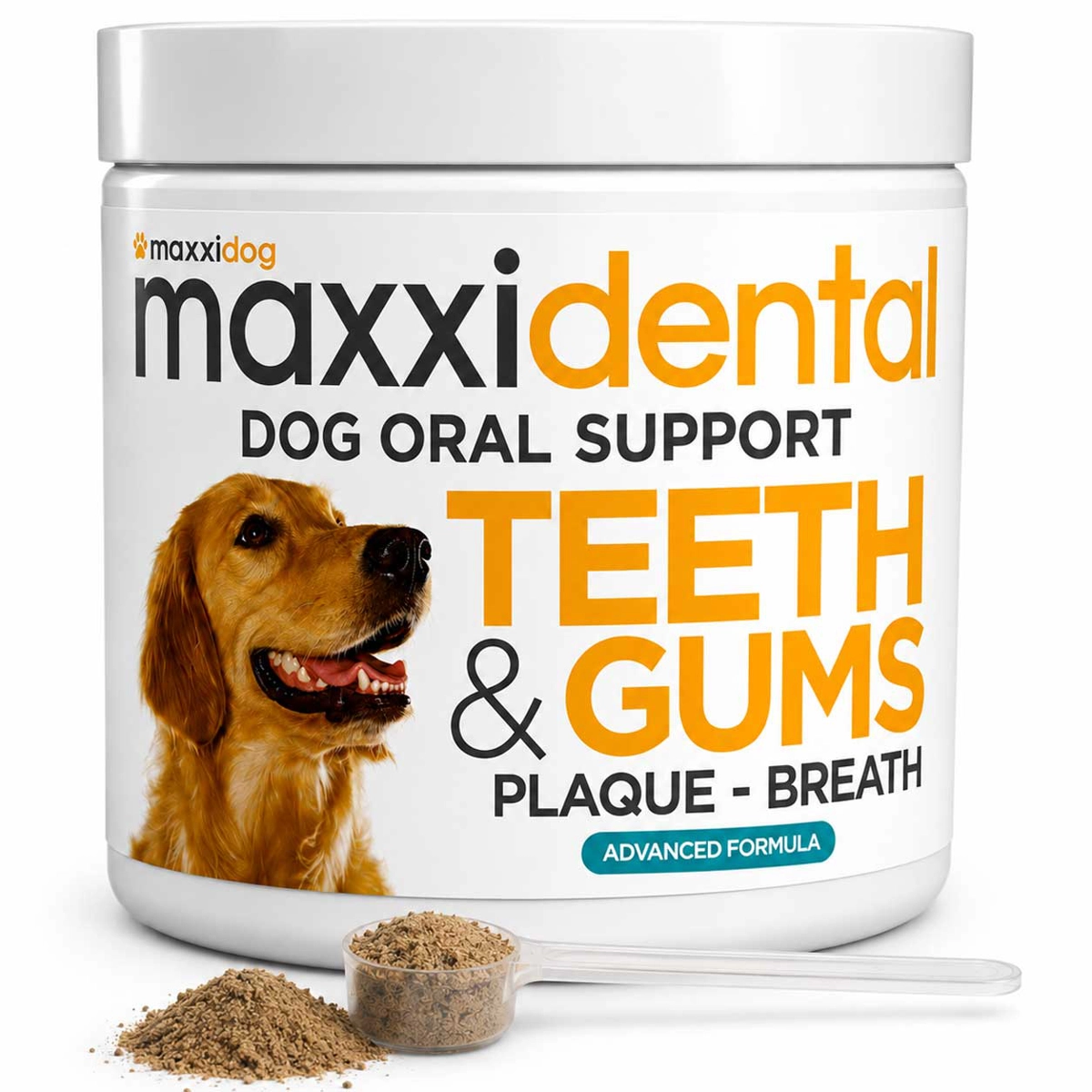
Incorporating probiotics into a dog’s diet can contribute to better oral health, alongside other dental care practices. They are available in various forms, including supplements, certain yogurts, and specially formulated dog foods. However, it’s important to choose products specifically designed for dogs.
Foods to Avoid
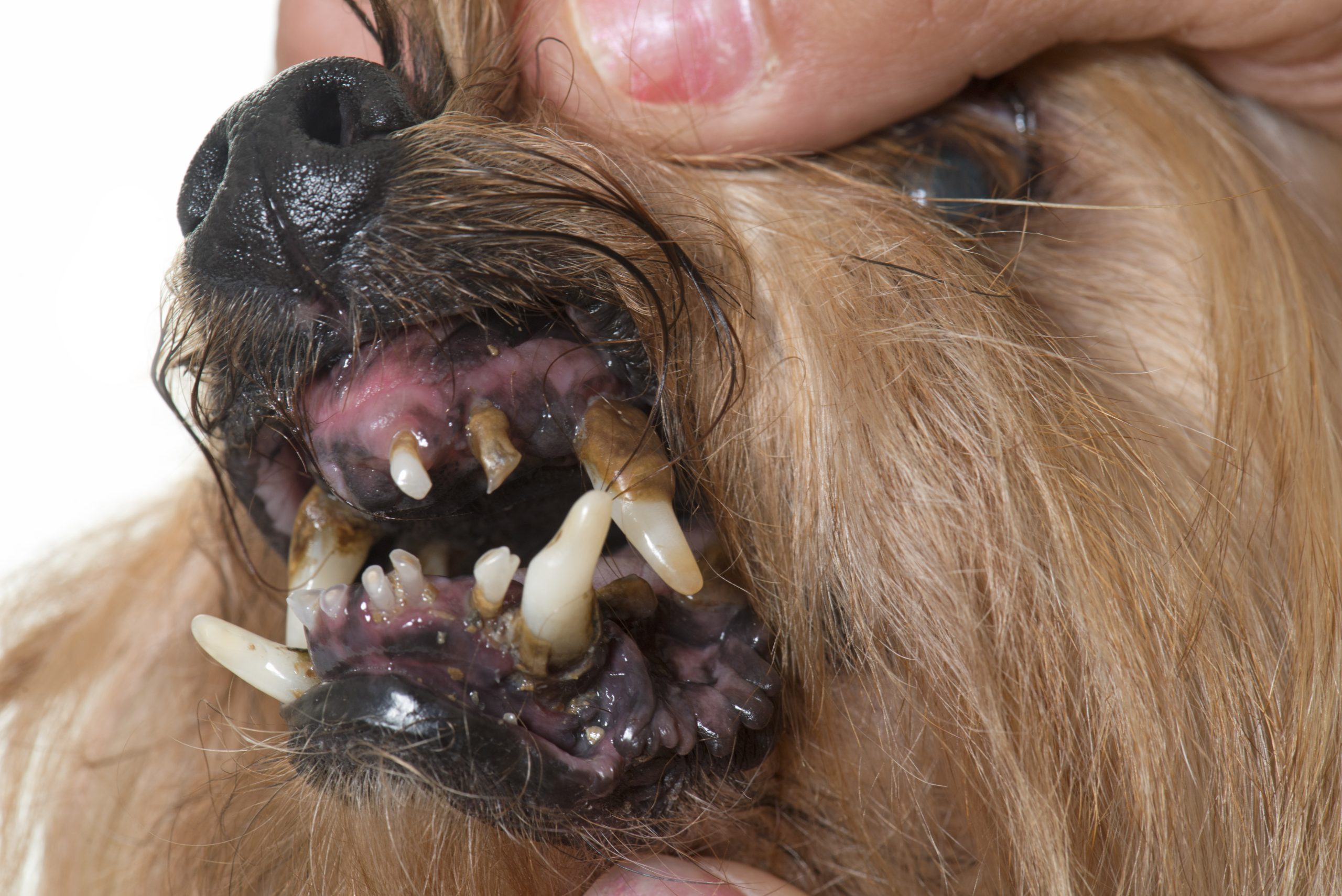
Just as some foods can promote dog’s dental health, others can contribute to dental problems. Sticky, sweet treats can adhere to teeth and foster plaque growth. It’s best to avoid sugary foods and those high in carbohydrates, which can be broken down into sugars that feed the bacteria in the mouth.
When selecting food and treats for your dog, look for those that incorporate some of above nutrients and ingredients. Always choose high-quality products that are suited to your dog’s specific health needs and life stage.

It’s always recommended to discuss your dog’s diet with a veterinarian, especially when considering supplements or special dental diets. They can provide personalized advice based on your dog’s health, age, size, and breed, helping you to make the best choices for your furry friend’s dental and overall health.

A balanced diet rich in essential nutrients and beneficial ingredients is key to maintaining your dog’s dental health. By providing the right building blocks for strong teeth and healthy gums and incorporating foods that help manage plaque and tartar, you can significantly enhance your dog’s oral hygiene. Coupled with regular dental care practices, the right dietary choices can lead to a happier, healthier dog with a sparkling smile.